
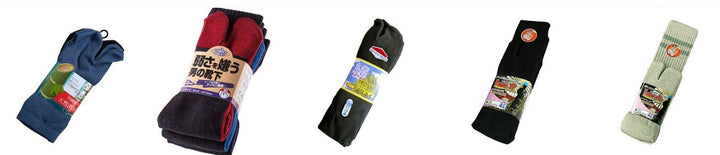
Japanese fashion has a special way of combining tradition with everyday practicality. From split-toe footwear and relaxed samue outfits to contemporary streetwear, many Japanese clothing essentials are designed to feel comfortable while expressing a distinctive sense of style. One item that perfectly captures this balance is tabi socks.
If you are exploring traditional Japanese clothing or looking for a unique addition to your everyday wardrobe, choosing between black and white men's tabi socks might seem like a small decision. However, the colour you choose can influence how easily your socks coordinate with your footwear, the outfits you create, and the occasions for which you wear them.
Both colours have their own appeal. White tabi socks offer a clean, traditional appearance, while black tabi socks provide a modern, understated look that works well with darker clothing. The right choice depends on your personal style, preferred footwear, and how you intend to wear them.
In this guide, Japan Zone Store explores the differences between black and white men tabi socks, their styling possibilities, practical advantages, and the factors worth considering before buying a pair.
What Are Men Tabi Socks and Why Are They Different?
Before deciding which colour suits you best, it helps to understand what makes tabi socks distinctive.
Traditional Japanese tabi socks feature a split-toe design that separates the big toe from the remaining toes. Unlike conventional socks, which have a single compartment for all five toes, tabi socks follow a shape that accommodates traditional Japanese footwear.
They are commonly associated with setta sandals and geta, although modern versions can also be worn with compatible tabi-inspired shoes and contemporary Japanese footwear.
The design has practical and cultural significance. Tabi have been part of Japanese dress for centuries, particularly in traditional settings, and their distinctive construction remains an important feature of Japanese footwear today.
Modern men tabi socks appeal to different kinds of customers, including:
- People interested in traditional Japanese clothing and cultural accessories.
- Fans of Japanese streetwear and minimalist fashion.
- Travellers looking for comfortable footwear accessories for Japan-inspired outfits.
- Martial arts practitioners who need suitable socks for compatible footwear or specific activities.
- Collectors and enthusiasts who appreciate authentic Japanese design.
For international customers, tabi socks are also an accessible way to introduce Japanese fashion into an everyday wardrobe without making a dramatic change to their usual style.
Black Men's Tabi Socks: A Modern and Versatile Choice

Black is a popular option for anyone who prefers understated clothing. It offers a clean appearance, coordinates easily with darker outfits, and can make tabi socks feel like a natural part of a contemporary wardrobe.
For customers who wear black trousers, denim, relaxed-fit clothing, or Japanese-inspired streetwear, black men's tabi socks are an especially practical choice.
Why Choose Black Men Tabi Socks?
One of the biggest advantages of black socks is their versatility. They can complement several clothing styles without drawing too much attention to the feet.
Consider these benefits:
-
Easy outfit coordination: Black works naturally with black trousers, charcoal joggers, dark denim, and neutral-coloured outfits.
-
A contemporary appearance: The darker colour creates a more modern look when paired with minimalist or urban clothing.
-
Less visible everyday staining: Dust and some darker marks may be less noticeable on black fabric than on white fabric, although this depends on the material.
- Suitable for understated styling: Black tabi socks are a good option if you appreciate Japanese design but prefer accessories that do not stand out.
Black is particularly appealing to men who want to wear tabi socks regularly rather than reserve them for specific traditional outfits.
How to Style Black Men Tabi Socks?
Black tabi socks work especially well when the rest of your outfit follows a simple colour palette.
For a relaxed everyday look, try wearing them with black or charcoal trousers, a plain T-shirt, and compatible split-toe footwear. If you prefer a more traditional Japanese-inspired outfit, combine them with dark samue clothing and appropriate Japanese sandals.
You can also experiment with:
- Black tabi socks, loose-fit trousers, and a neutral overshirt.
- Dark denim, a simple top, and tabi-inspired footwear.
- A black samue set for a coordinated Japanese-inspired appearance.
- Earth-toned clothing with black accessories for a subtle contrast.
The key is to keep the outfit balanced. You do not need to dress entirely in black to make the socks work; even one or two darker pieces can create a cohesive look.
White Men Tabi Socks: A Classic Japanese Look
White tabi socks have a strong connection with traditional Japanese dress. Their clean appearance makes them a natural choice for people who appreciate classic Japanese styling, traditional footwear, and simple, carefully coordinated outfits.
White also creates a noticeable contrast against darker sandals or trousers, allowing the distinctive split-toe design to become part of the overall look.
Why Choose White Men Tabi Socks?
White men tabi socks are ideal if you want a traditional appearance or prefer lighter accessories.
Their main advantages include:
-
A classic aesthetic: White is closely associated with traditional tabi styling and formal or ceremonial Japanese dress.
-
Clear visual definition: The split-toe construction is easy to notice, especially when paired with contrasting footwear.
-
A fresh, minimal appearance: White complements simple outfits and neutral colours.
- Versatile traditional styling: They can work well with suitable Japanese garments and compatible traditional footwear.
For international customers interested in Japanese culture, white tabi socks can help create a recognisable traditional look without requiring an elaborate outfit.
How to Style White Men Tabi Socks?
White tabi socks pair naturally with lighter and neutral colours, but they can also look striking against dark clothing.
For a traditional-inspired outfit, consider white tabi socks with suitable setta sandals and a relaxed Japanese garment. For a more contemporary approach, combine them with cropped trousers, a simple shirt, and minimalist footwear designed for split-toe socks.
Here are a few outfit ideas:
- White tabi socks with navy trousers and traditional Japanese sandals.
- White socks with beige or stone-coloured samue clothing.
- White tabi socks paired with black trousers for a strong visual contrast.
- A neutral outfit featuring cream, grey, and white for a clean, understated appearance.
White socks do require a little more attention when it comes to cleanliness. If you plan to wear them outdoors frequently, check the care instructions and consider how easily the fabric can be washed.
Black vs White Men Tabi Socks: What's the Difference?
Both colours offer the same defining split-toe concept, but they create different visual effects and suit different preferences.
|
Feature |
Black men tabi socks |
White men tabi socks |
|
Overall appearance |
Modern and understated |
Classic and traditional |
|
Best colour combinations |
Black, charcoal, navy, dark denim |
White, beige, grey, navy, black |
|
Everyday styling |
Excellent for darker casual outfits |
Excellent for light or contrasting outfits |
|
Visible dirt |
Some darker marks may be less noticeable |
Dirt and discolouration may be more noticeable |
|
Traditional-inspired outfits |
Works well with darker Japanese clothing |
A natural choice for classic tabi styling |
|
Contemporary streetwear |
Ideal for minimalist, dark outfits |
Useful for contrast and lighter looks |
Neither colour is automatically better. Your decision should reflect the clothes you already own, the footwear you intend to wear, and whether you prefer a traditional or contemporary appearance.
Which Men Tabi Socks Are Better for Traditional Japanese Clothing?

If you are buying tabi socks specifically for Japanese clothing, consider the overall appearance you want to achieve.
Traditional Japanese outfits often rely on careful coordination between garments, footwear, and accessories. The right sock colour can help bring these elements together.
Choose White Men Tabi Socks for a Traditional Appearance
White is a strong starting point if you want to recreate a classic Japanese-inspired look. It pairs naturally with many traditional footwear combinations and makes the distinctive tabi shape easy to appreciate.
White may be especially suitable when wearing lighter garments or when you want the socks to contrast with darker setta sandals.
Choose Black Men Tabi Socks for Darker Japanese Outfits
Black can be a better match for dark samue clothing, contemporary Japanese casualwear, and minimalist outfits.
If you prefer modern interpretations of Japanese fashion rather than a strictly traditional appearance, black offers a straightforward way to coordinate your footwear accessories with your clothes.
Consider the Occasion and Footwear
The occasion matters as much as colour. Everyday casual wear, cultural events, traditional dress, and activities requiring specific footwear may call for different choices.
Before purchasing, check whether the socks are designed for the footwear you intend to wear. Traditional tabi socks, split-toe athletic socks, and specialist footwear socks may differ in construction and intended use.
If you are attending a formal or cultural event, follow the event's dress expectations rather than assuming that either colour is appropriate for every situation.
How to Choose the Right Men Tabi Socks for Everyday Comfort?
Colour is important, but it should not be the only factor guiding your purchase. A stylish pair that fits poorly or does not suit your footwear may spend more time in your drawer than on your feet.
When shopping for men tabi socks, pay attention to the following details.
1. Check the Size and Fit
Tabi socks should fit comfortably around the toes, heel, and foot. A pair that is too tight may feel restrictive, while one that is too loose can bunch up inside your footwear.
International buyers should check the seller's size chart carefully rather than relying entirely on their usual shoe size. Sizing conventions can vary between brands and product ranges.
2. Consider the Fabric
The material affects comfort, breathability, durability, and care requirements.
Depending on the product, tabi socks may be made from cotton, synthetic fibres, or blends. Cotton-rich fabrics can feel comfortable for everyday use, while blended materials may offer different combinations of stretch and durability.
Always review the actual product description. Do not assume every tabi sock has the same thickness, elasticity, or fabric composition.
3. Match the Socks to Your Footwear
Traditional tabi socks are associated with Japanese footwear such as setta and geta, while other split-toe socks may be designed for sports or modern shoes.
Check the construction before buying, particularly if you plan to wear the socks with specialist footwear. The right match can improve comfort and help prevent unnecessary friction.
4. Think About Maintenance
White socks may need more frequent attention to keep them looking bright, while black socks can show lint or pale marks.
Check the washing instructions before cleaning your socks. Washing them according to the manufacturer's recommendations can help maintain the fabric and fit.
5. Look for Authentic Japanese Design
If Japanese culture and craftsmanship are important to you, consider the product's origin, construction, material details, and seller information.
A Japanese-inspired design is not necessarily manufactured in Japan. If authenticity or country of manufacture matters to you, check the product listing for clear, verifiable details.
Japan Zone Store is a place to explore Japanese clothing, traditional footwear, and cultural accessories when building a wardrobe inspired by Japan.
Where to Buy Men Tabi Socks Online?
Buying Japanese clothing online gives international customers access to products that may be difficult to find in local shops. However, comparing product details is important, especially when purchasing a specialised item such as tabi socks.
When shopping online, look for:
- A clear size chart and information about the intended fit.
- Product photographs that show the split-toe construction.
- Accurate fabric and care details.
- Clear information about the product's intended footwear.
- Transparent shipping costs, delivery estimates, and return policies.
- Reliable product descriptions that distinguish Japanese-made products from Japanese-inspired designs.
At Japan Zone Store, shoppers interested in Japanese clothing and accessories can explore options that complement a Japanese-inspired wardrobe. Before choosing a pair, review the individual listing to confirm the available colour, size, materials, and other product specifications.
If you are unsure which colour to buy first, consider your existing wardrobe. A pair that coordinates with clothing you already wear is likely to offer more practical value than one selected purely for its appearance.
Common Mistakes to Avoid When Buying Men Tabi Socks
A little preparation can make the buying process easier, particularly for first-time buyers.
Avoid these common mistakes:
-
Choosing colour before checking fit: Comfort should come first, regardless of whether you prefer black or white.
-
Assuming every pair is suitable for every shoe: Check the intended use and footwear compatibility.
-
Ignoring care instructions: Different fabrics may require different washing methods.
-
Assuming all tabi socks are traditional products: Modern split-toe socks can be designed for sports, casual wear, or other specific activities.
- Overlooking international shipping policies: Delivery charges, estimated arrival dates, customs duties, and return conditions may vary depending on your destination.
Taking a few moments to check these details can help you select a pair that suits both your style and practical needs.
Conclusion: Choose Men Tabi Socks That Match Your Style
Choosing between black and white men tabi socks is ultimately about finding the balance between personal style, comfort, and practicality.
Black is an excellent option if you prefer contemporary Japanese fashion, darker clothing, and accessories that blend naturally into everyday outfits. White is ideal if you appreciate classic Japanese styling, lighter colours, and the traditional appearance associated with tabi footwear.
If you are new to tabi socks, start by considering the footwear you plan to wear and the clothes already in your wardrobe. Then compare the available sizes, fabrics, and product details before making your decision.
For shoppers exploring Japanese clothing and cultural accessories, Japan Zone Store offers a starting point for discovering items that reflect an appreciation for Japanese design. Whether you choose black for its understated versatility or white for its timeless appeal, the best pair is the one that feels comfortable and fits naturally into your everyday life.
Frequently Asked Questions About Men Tabi Socks
1. Are black or white men tabi socks better?
Neither colour is universally better. Black men tabi socks suit darker outfits and contemporary styling, while white men tabi socks offer a classic appearance that works particularly well with traditional Japanese-inspired clothing. Choose according to your wardrobe, footwear, and personal preference.
2. Can men tabi socks be worn every day?
Yes, many men tabi socks are suitable for everyday use, provided their fit, material, and construction meet your needs. Choose a pair designed for your intended footwear and follow the manufacturer's care instructions.
3. Can I wear men tabi socks with regular shoes?
It depends on the shoe design. Traditional tabi socks work best with compatible split-toe footwear, while specialist split-toe socks may be designed for particular athletic or modern shoes. Check compatibility before purchasing.
4. Are white men tabi socks more traditional than black ones?
White tabi socks are strongly associated with traditional Japanese dress and are a common choice for classic styling. Black versions are also available and can complement traditional clothing, particularly darker outfits. The most appropriate choice depends on the garment, footwear, and occasion.
5. How do I choose the correct size of men tabi socks when buying online?
Start with the seller's size chart and compare its measurements with your foot or usual shoe size. Check the material and stretch information, as sizing can vary between manufacturers. If the listing is unclear, contact the retailer before placing your order.
6. Where can I buy men tabi socks online?
You can explore Japanese clothing and accessories through specialist retailers such as Japan Zone Store. Before ordering, check the specific product listing for colour availability, sizing, materials, shipping information, and return conditions.
Additionally, if you’d like to stay updated on our latest posts, follow us on Facebook, Pinterest, Instagram and X .


