
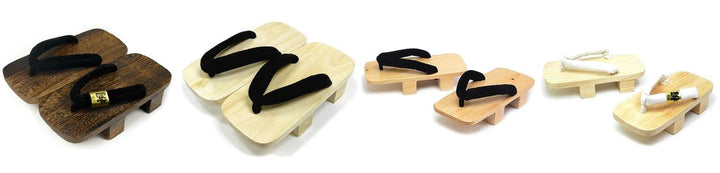
Japanese footwear has a character of its own. It is practical, distinctive, and deeply connected to everyday traditions that have been passed down through generations. Among the most recognizable styles are Japanese geta sandals, wooden footwear known for their raised soles, simple construction, and unmistakable sound when walking.
In 2026, geta are attracting attention from people who appreciate traditional Japanese fashion as well as shoppers looking for something different from conventional sandals. But choosing the right pair is not simply about picking the most attractive design. The shape, material, sole height, fit, and intended use can all influence your experience.
Whether you are buying your first pair or adding another style to your collection, this guide explains what to look for when choosing Japanese geta sandals and how to find a pair that feels right for you.
Why Japanese Geta Sandals Remain Popular in 2026?
Geta have a long history in Japanese culture and are particularly associated with traditional clothing such as yukata. Their wooden construction and elevated base give them an appearance that immediately stands apart from modern footwear.
Today, however, you do not have to wear traditional Japanese clothing to appreciate geta. They can be interesting additions to cultural collections, themed outfits, festivals, casual occasions, or simply a wardrobe for someone who enjoys Japanese design.
Several qualities make Japanese geta sandals appealing:
-
Distinctive traditional design: The wooden base and fabric thong create an instantly recognizable Japanese look.
-
Breathable construction: The open sandal design allows considerably more airflow than closed footwear.
-
Raised sole: The elevated wooden base keeps the foot slightly above the ground.
-
Cultural character: Geta offer a direct connection to traditional Japanese clothing and craftsmanship.
- Versatile styling: They can be paired with yukata, jinbei, casual Japanese-inspired clothing, or suitable contemporary outfits.
The key is finding a pair that matches how you actually intend to use it.
Japanese Geta Sandals: Start With the Right Size

One of the most important considerations when buying Japanese geta sandals is size. Geta do not always fit like ordinary Western shoes, so it is worth paying attention to measurements rather than automatically choosing the size you normally wear.
Traditional geta are often designed so that the heel may sit close to or slightly beyond the rear edge of the wooden sole. This is different from the enclosed, fully supportive fit many people expect from sneakers or formal shoes.
Before ordering, check the seller's size information carefully. Measure your foot from the heel to the longest toe and compare that measurement with the listed dimensions.
When checking the fit, consider:
-
Foot length: Compare your actual measurement with the product's sizing guide.
-
Width: Make sure the sole provides enough room for your foot without feeling excessively narrow.
-
Toe position: Your toes should sit comfortably around the front of the sandal.
-
Thong placement: The central strap should feel secure without creating uncomfortable pressure.
- Walking style: Remember that geta have a different feel from flexible rubber-soled sandals.
If you are between sizes, reviewing the specific product measurements is usually more useful than relying on a generic shoe-size conversion chart.
Japanese Geta Sandals: Choose the Right Sole Height
The height of the wooden sole can dramatically change how a pair of Japanese geta sandals feels when you walk.
Some geta have a relatively low profile, while others feature noticeably taller soles. Higher soles create a more dramatic traditional appearance, but they can also require more adjustment for someone who has never worn wooden footwear.
For a first pair, a moderate sole height can be a sensible starting point. It gives you the distinctive geta appearance without making the transition unnecessarily challenging.
Think about where you will wear them. If you plan to walk around a festival or outdoor event for several hours, comfort and stability should take priority over choosing the tallest or most elaborate design.
Japanese Geta Sandals: Pay Attention to the Wooden Base
The wooden base is one of the defining characteristics of geta. It provides the structure, elevation, and traditional appearance that make this footwear unique.
When comparing Japanese geta sandals, look at the overall construction of the sole. The wooden surface should feel appropriately finished for its intended use, and the underside should provide a stable walking platform.
Traditional geta may feature raised supports underneath the sole, commonly referred to as teeth. The arrangement and shape of these supports can influence how the sandal contacts the ground.
For shoppers unfamiliar with geta, this is an important distinction. You are not simply buying a sandal with a wooden appearance; you are choosing a style of footwear with a particular walking motion.
Japanese Geta Sandals: Consider the Strap Material

The strap, or hanao, is another detail that deserves attention. It holds the foot in place and can significantly affect comfort.
A beautifully designed pair of Japanese geta sandals can become difficult to enjoy if the strap feels too stiff or presses uncomfortably between the toes.
Look for details such as:
- Soft or suitably finished strap material
- Secure attachment to the wooden sole
- A position that works naturally with your foot
- A design appropriate for the way you plan to wear the sandals
- Enough support to keep the sandal comfortably positioned while walking
Traditional aesthetics are important, but comfort should not be ignored. The best pair is one you can actually enjoy wearing.
Japanese Geta Sandals: Match the Pair to Your Outfit
One reason people love traditional Japanese footwear is the way it complements Japanese clothing.
If you are wearing a yukata, Japanese geta sandals can complete the look beautifully. The wooden footwear creates a traditional silhouette and works particularly well for summer festivals, cultural events, and Japanese-themed occasions.
However, you can also think beyond the classic combination.
Depending on the design, geta may work with:
- Yukata
- Jinbei
- Japanese-inspired casual clothing
- Festival outfits
- Cultural performances
- Traditional-themed events
- Japanese fashion collections
The important thing is balance. If the geta are visually bold, simpler clothing can allow the footwear to stand out naturally.
Japanese Geta Sandals: Check Quality Before Buying
A traditional-looking product is not automatically a well-made product. When shopping for Japanese geta sandals, pay attention to the seller and product information.
A reliable Japanese product retailer should provide useful details about:
- Materials
- Dimensions
- Available sizes
- Product construction
- Intended use
- Care information
- Shipping details
- Return or exchange policies, where applicable
Clear product information gives you a much better basis for making a decision.
For shoppers interested in authentic Japanese-inspired products, Japan Store provides an opportunity to explore traditional Japanese footwear alongside other Japanese apparel, accessories, home items, food, toys, and cultural products. This broader selection can be particularly useful if you are building a complete Japanese-inspired outfit or looking for complementary traditional items.
Japanese Geta Sandals: Think Beyond Appearance
A common mistake when purchasing traditional footwear is choosing entirely based on photographs.
Pictures can tell you a lot about color, shape, and design, but they cannot tell you everything about how the sandals will feel.
Consider the practical questions first:
- Is the size appropriate for your foot?
- Is the sole height suitable for your experience level?
- Does the strap construction look comfortable?
- Is the sandal appropriate for your intended occasion?
- Does the product description provide enough information?
- Does the retailer explain its sizing and policies clearly?
Once these factors are satisfactory, you can focus on the design you love.
That approach usually results in a better purchase than choosing the most visually impressive pair first and considering practicality later.
Japanese Geta Sandals: How to Care for Your Pair
Proper care can help preserve the appearance and condition of your geta.
Because traditional geta commonly use wooden components, excessive moisture is something to be mindful of. After wearing them outdoors, especially in damp conditions, allow them to dry naturally in a suitable ventilated area.
Avoid storing them somewhere persistently humid or exposing them unnecessarily to harsh conditions.
A few simple habits can help:
- Keep the wooden sole clean.
- Allow the sandals to dry naturally when necessary.
- Store them in a dry, ventilated location.
- Avoid unnecessary exposure to prolonged moisture.
- Follow any care instructions supplied with the specific product.
The exact care requirements can vary according to the materials and construction, so always prioritize the manufacturer's or retailer's guidance.
Japanese Geta Sandals: Why Buying From a Specialist Matters

Traditional products carry details that are easy to overlook when they are treated like ordinary fashion accessories. A specialist retailer can make the shopping process easier by providing more relevant product information and offering a selection focused on Japanese goods.
For customers exploring Japanese geta sandals, Japan Store can be a useful destination for discovering traditional Japanese footwear and other products that complement the experience of Japanese culture.
This is particularly valuable when you want more than a generic sandal. You may be looking for a particular aesthetic, traditional styling, or an item that works naturally alongside Japanese clothing and accessories.
Japanese Geta Sandals: Common Buying Mistakes to Avoid
Choosing the right pair becomes much easier when you know what not to do.
Ignoring Measurements
Do not assume your usual sneaker size will automatically translate perfectly to geta. Always check the measurements supplied for the specific pair.
Choosing Sole Height Only for Appearance
A tall sole may look impressive, but beginners may find a moderate design easier to handle.
Forgetting the Strap
The hanao plays an important role in how the sandal feels. A beautiful sole cannot compensate for an uncomfortable strap.
Buying Without Considering Usage
A pair intended for occasional traditional events may differ from what you would want for frequent walking.
Skipping Product Details
Read the description, dimensions, material information, and care guidance before purchasing.
Conclusion: Finding Your Ideal Japanese Geta Sandals in 2026
Choosing Japanese geta sandals is about more than finding a pair that looks traditional. The right choice should bring together fit, sole height, strap comfort, construction, intended use, and personal style.
Take time to measure your feet, understand the different designs, and think honestly about where you will wear them. If you are new to geta, give yourself time to learn the walking style rather than expecting them to behave like modern sandals.
Most importantly, choose a pair that makes you feel connected to the character and craftsmanship of Japanese footwear. Whether you are completing a yukata outfit, attending a cultural event, or simply exploring traditional Japanese fashion, the right geta can turn an ordinary outfit into something memorable.
In 2026, the appeal of geta lies in that balance between tradition and individuality. With thoughtful selection and proper care, your pair can be more than footwear—it can be a small, tangible piece of Japanese culture that you enjoy every time you wear it.
FAQs About Japanese Geta Sandals
What are Japanese geta sandals?
Japanese geta sandals are traditional Japanese footwear generally characterized by a wooden sole and a fabric or similar thong-style strap. They are strongly associated with traditional Japanese clothing and culture.
Are Japanese geta sandals comfortable?
Comfort depends on the individual, the design, sizing, and familiarity with wooden footwear. First-time wearers may need a short adjustment period before they feel natural.
Can I wear Japanese geta sandals with a yukata?
Yes. Geta are traditionally associated with yukata and can provide a classic finishing touch to a traditional Japanese summer outfit.
How do I choose the correct geta size?
Measure your foot length and compare it with the specific product's size chart or measurements. Do not rely solely on your normal Western shoe size.
Are geta suitable for beginners?
They can be, although beginners should take some time to practice walking in them. A lower or moderate sole may be easier to manage initially than a particularly tall design.
Additionally, if you’d like to stay updated on our latest posts, follow us on Facebook, Pinterest, Instagram and X .


