
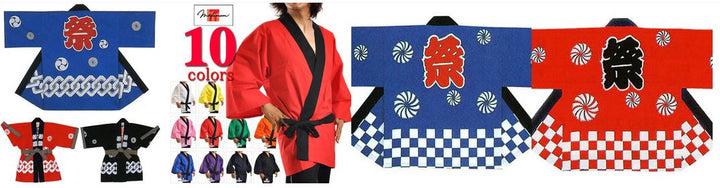
Traditional Japanese clothing is admired worldwide for its elegance, symbolism, and craftsmanship. Among the most iconic garments are the kimono and the happi coat. While both originate from Japan’s rich cultural heritage, they serve very different purposes and styles. At the same time, modern Japanese fashion has evolved to include practical attire like Japanese workpants, blending tradition with function.
At Japan Store, we specialize in bringing authentic Japanese clothing and workwear directly from Japan to customers around the globe. In this guide, we’ll explore the key differences between a kimono and a Japanese happi coat, how they are worn today, and how contemporary clothing such as Japanese work pants complements traditional garments for everyday use.
Understanding Traditional Japanese Clothing
Japanese clothing reflects centuries of history, craftsmanship, and cultural meaning. Every garment is designed with intention—whether ceremonial, festive, or functional.
Two of the most commonly confused traditional garments are:
- Kimono
- Japanese Happi Coat
Although they may appear similar to the untrained eye, their structure, usage, and cultural significance are quite different.
What Is a Kimono?
The kimono is Japan’s most recognizable traditional garment. It is a long, robe-style outfit with wide sleeves and a wrap-around design secured with an obi (belt).
Key Features of a Kimono
- Full-length robe reaching the ankles
- Made from silk, cotton, or wool
- Wide sleeves and straight seams
- Worn for formal events, ceremonies, and traditions
Kimonos are often associated with weddings, tea ceremonies, coming-of-age celebrations, and seasonal festivals. Due to their layered structure, they require skill to wear properly and are not typically used for daily activities.
What Is a Japanese Happi Coat?
A Japanese happi coat is a shorter, more casual garment traditionally worn by workers, festival participants, and craftsmen. Unlike the kimono, happi coats prioritize comfort and movement.
Key Features of Japanese Happi Coats
- Hip-length or thigh-length design
- Lightweight and breathable
- Open front with straight sleeves
- Often decorated with bold symbols or family crests
Japanese happi coats are commonly worn during festivals, parades, and community events. Today, they are also popular as casual outerwear and cultural fashion pieces.
Kimono vs Happi Coat: Key Differences Explained

Understanding the distinction between these garments helps you choose the right one for your lifestyle or event.
Length and Structure
-
Kimono: Long and flowing, covering most of the body
- Happi Coat: Shorter and more relaxed
Purpose
-
Kimono: Formal, ceremonial, and traditional
- Happi Coat: Casual, festive, and practical
Ease of Wear
-
Kimono: Requires layering and accessories
- Happi Coat: Easy to wear and remove
Due to this practicality, many people pair happi coats with modern attire, such as Japanese work pants, for comfort and style.
How Japanese Workpants Fit Into Modern Traditional Wear?
While kimonos and happi coats are traditional garments, modern Japanese fashion embraces practicality. Japanese workpants are inspired by traditional workwear and are designed for durability, comfort, and mobility.
These pants are often worn by:
- Craftsmen
- Construction workers
- Festival staff
- Cultural performers
Their minimalist design allows them to pair effortlessly with happi coats, creating a look that honors tradition while supporting modern lifestyles.
Why Japanese Work Pants Are Gaining Global Popularity?
The global fashion industry has embraced Japanese aesthetics for their functionality and timeless design. Japanese work pants are no exception.
Benefits of Japanese Workpants
- Durable materials suitable for daily wear
- Relaxed fit for ease of movement
- Functional pockets for work and travel
- Minimalist design that pairs well with traditional tops
At Japan Store, we see customers pairing Japanese happi coats with Japanese workpants to create a practical outfit that still reflects cultural authenticity.
When to Wear a Kimono vs a Happi Coat
Choosing between a kimono and a happi coat depends on the occasion.
Wear a Kimono When:
- Attending formal events
- Participating in traditional ceremonies
- Celebrating cultural milestones
Wear a Happi Coat When:
- Joining festivals or street events
- Seeking casual traditional fashion
- Pairing with modern clothing like Japanese work pants
The versatility of happi coats makes them ideal for everyday wear, especially when combined with contemporary Japanese workwear.
Styling Japanese Happi Coats With Workwear

One of the most popular modern styles is combining tradition with function. Pairing happi coats with Japanese workpants creates a balanced look that is both cultural and practical.
Styling Tips
- Choose neutral-colored workpants for versatility
- Keep accessories minimal
- Wear traditional footwear or modern sneakers
- Layer with seasonal innerwear
This combination is especially popular among travelers, artists, and cultural enthusiasts.
Buying Authentic Japanese Clothing From Japan Store
At Japan Store, we offer direct access to authentic Japanese clothing and workwear sourced straight from Japan. If you’re unable to find a specific item, our buyer service allows us to source it directly from Japanese suppliers.
Our Transparent Process Includes:
- Product cost (including sales tax)
- Domestic shipping (if applicable)
- Optional search service
- Handling and international shipping
This service ensures you receive genuine Japanese garments, whether you’re shopping for a happi coat or Japanese workpants.
Why Japan Store Is Trusted Worldwide?
Customers choose Japan Store because we prioritize authenticity, transparency, and global accessibility.
What Sets Us Apart
- Direct sourcing from Japan
- Worldwide shipping
- Multiple currency payment options
- Dedicated customer support
From traditional clothing to modern workwear, we make Japanese fashion accessible to everyone.
Conclusion
While both the kimono and Japanese happi coat are deeply rooted in Japanese culture, they serve different roles. The kimono remains a symbol of tradition and formality, while the happi coat represents practicality and celebration. In modern fashion, pairing happi coats with Japanese workpants bridges the gap between tradition and everyday wear.
At Japan Store, we help you explore authentic Japanese fashion that fits your lifestyle—whether ceremonial, casual, or work-focused. By understanding these garments, you can make informed choices that honor Japanese heritage while embracing comfort and functionality.
FAQs
1. What is the main difference between a kimono and a happi coat?
A kimono is formal and full-length, while a happi coat is shorter, casual, and easier to wear.
2. Can Japanese happi coats be worn daily?
Yes, happi coats are designed for comfort and are commonly worn with casual outfits, including Japanese work pants.
3. Are Japanese workpants traditional clothing?
They are inspired by traditional workwear but designed for modern functionality and daily use.
4. Can I pair Japanese workpants with traditional tops?
Absolutely. Japanese workpants pair well with happi coats and other traditional garments.
5. Does Japan Store ship internationally?
Yes, Japan Store ships worldwide and offers a buyer service to source items directly from Japan.
6. Are Japanese work pants suitable for non-work use?
Yes, they are popular for travel, casual wear, and cultural styling due to their comfort and durability.
You can follow us for catch the latest post Pinterest, Instagram, Twitter and Facebook.


