
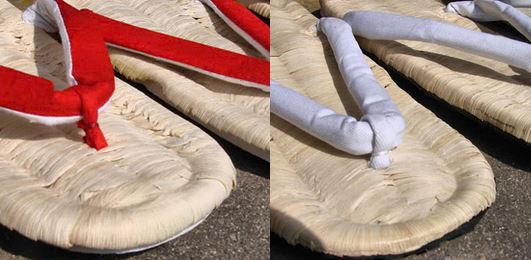
Some footwear follows fashion trends for a season or two, while other styles remain meaningful for generations. Zori sandals belong to the second category. Rooted in Japanese tradition, these distinctive sandals are admired for their understated appearance, practical design, and connection to everyday Japanese culture. Even as modern footwear continues to evolve, zori remain a favorite among people who appreciate traditional craftsmanship and timeless style.
For anyone discovering Japanese footwear for the first time, zori Japanese sandals offer an appealing introduction to a design that combines simplicity with cultural significance. Their familiar thong-style construction, range of materials, and versatile appearance make them interesting to both traditional fashion enthusiasts and contemporary style lovers.
At Japan Store, exploring traditional Japanese clothing and accessories offers an opportunity to appreciate the small details that make these cultural pieces special. Zori are a wonderful example of how an everyday item can carry a story that extends far beyond its original purpose.
So, what makes these sandals so enduring? From their historical roots to their place in modern wardrobes, there are several reasons why zori continue to attract attention.
What Are Zori Japanese Sandals?
Zori are traditional Japanese sandals characterized by a flat or slightly raised sole and a Y-shaped thong that passes between the toes. The design allows the foot to rest naturally on the sandal while keeping the footwear lightweight and relatively easy to put on and remove.
Traditionally, zori have been worn with Japanese clothing, particularly kimono and other formal or semi-formal outfits. However, their appeal is not limited to traditional dress. Contemporary versions come in different colors, materials, and sole styles, making them suitable for a variety of personal preferences.
Common features of zori include:
-
A simple silhouette: Clean lines create an understated appearance that complements traditional and modern clothing.
-
A thong-style strap: The strap passes between the first and second toes to help secure the sandal.
-
A lightweight construction: Many styles are designed for easy wear and convenient movement.
-
Different materials: Depending on the design, zori may feature woven materials, fabric, synthetic finishes, or other traditional and modern components.
- Versatile styling: Certain designs work beautifully with kimono, yukata, and other Japanese-inspired outfits.
Although zori share some visual similarities with flip-flops, they have their own cultural history and distinctive place in Japanese footwear traditions.
The History Behind Zori Japanese Sandals
Understanding the history of zori helps explain why these sandals have remained relevant. Japanese footwear developed in response to everyday needs, local materials, clothing traditions, and changing social customs. Zori emerged as part of this broader history, with forms and materials varying across periods and communities.
Traditional Japanese sandals were often made using natural materials, including straw and woven plant fibers. Over time, different styles developed to suit different occasions, climates, and clothing choices.
Zori became particularly associated with traditional Japanese attire. When wearing a kimono, the footwear contributes to the overall appearance of the outfit rather than functioning as a separate fashion statement. The shape, color, and material of the sandal can influence how the complete ensemble looks.
Several factors helped preserve their place in Japanese culture:
-
Practical design: Simple construction made sandals convenient for everyday use.
-
Connection to traditional clothing: Zori became an established footwear choice for many kimono ensembles.
-
Adaptability: Changes in materials and manufacturing allowed the design to evolve.
- Cultural continuity: Traditional footwear remains meaningful to people who value Japanese customs and aesthetics.
Today, zori represent both a historical footwear tradition and an evolving fashion choice. Their continued presence demonstrates how traditional designs can survive without remaining completely unchanged.
Why Zori Japanese Sandals Remain a Timeless Classic?

The enduring appeal of zori comes from more than nostalgia. Their design offers a combination of visual simplicity, cultural meaning, and adaptability that continues to interest modern wearers.
1. Zori Japanese Sandals Embrace Minimalist Style
Japanese aesthetics often place value on balance, simplicity, and thoughtful details. Zori reflect these principles through their uncomplicated shape and restrained design.
Instead of relying on elaborate decorations or oversized silhouettes, many zori feature clean lines and carefully selected materials. This makes them appealing to people who prefer footwear that complements an outfit without overpowering it.
A simple black or neutral-colored pair can create a subtle finishing touch, while patterned straps or textured surfaces can add character to a more traditional look.
Their minimalist appearance also helps them remain relevant as fashion preferences change. A well-designed sandal does not need to follow every new trend to look attractive.
2. Zori Japanese Sandals Carry Cultural Meaning
For many enthusiasts, zori represent more than a practical way to protect the feet. They are connected to Japanese clothing, customs, and the attention given to dressing appropriately for different occasions.
Wearing zori with a kimono or yukata can help create a more complete traditional outfit. The sandals become part of the overall visual story, complementing the garment rather than competing with it.
Even people who do not regularly wear traditional Japanese clothing may appreciate zori as a way to explore Japanese design and craftsmanship.
For Japan Store customers interested in Japanese-inspired fashion, understanding this cultural background can make choosing and wearing traditional accessories a more rewarding experience.
3. Zori Japanese Sandals Offer Styling Versatility
Traditional footwear does not have to be limited to special occasions. Depending on the design, zori can be styled for different settings and personal tastes.
For example, a classic pair may suit a traditional ensemble, while a contemporary design with a simple color palette can complement relaxed, Japanese-inspired clothing.
Consider these styling possibilities:
-
With a kimono: Choose zori that coordinate with the formality, colors, and overall character of the outfit.
-
With a yukata: Lightweight-looking designs and coordinated colors can create a relaxed summer appearance.
-
With traditional accessories: Pairing zori with complementary bags or other Japanese accessories can create a more cohesive look.
- With contemporary Japanese fashion: Modern zori designs can work with simple silhouettes and understated clothing, provided the proportions and overall styling feel balanced.
The key is to select a design that suits the occasion. Not every pair of zori is intended for every setting, so materials, construction, and formality are worth considering.
4. Zori Japanese Sandals Reflect Thoughtful Craftsmanship
The appeal of traditional Japanese products often lies in the details. With zori, these details may include the texture of the sole, the finish of the straps, the proportions of the sandal, and the way different materials come together.
Traditional and contemporary makers approach these elements in different ways. Some designs emphasize woven textures and familiar materials, while others use modern components to create a more practical or updated finish.
When choosing zori, look beyond appearance alone. Check how securely the straps are attached, whether the sole feels suitable for your intended use, and whether the materials seem appropriate for the environment in which you plan to wear them.
Thoughtful construction can make the difference between a sandal that simply looks attractive and one that becomes a valued part of your wardrobe.
5. Zori Japanese Sandals Connect Tradition With Modern Living
One reason traditional footwear remains interesting is its ability to adapt without losing its identity.
Modern zori may incorporate contemporary materials, updated colors, or variations in sole height. These changes give wearers more options while preserving the recognizable structure of the sandal.
This balance between old and new makes zori appealing to different generations. Someone interested in traditional Japanese clothing may appreciate the historical connection, while another person may be drawn to the distinctive silhouette and understated appearance.
Rather than replacing tradition, modern interpretations give people additional ways to engage with it.
How to Choose the Right Zori Japanese Sandals?

Finding a suitable pair starts with understanding how you intend to wear it. The best option for a formal kimono ensemble may differ considerably from the best choice for occasional casual wear.
Before making a purchase, consider the following factors.
1. Choose Materials for Your Intended Use
Zori are available in different materials, and each offers a different appearance and feel.
-
Woven materials: These can provide a traditional texture and natural visual character.
-
Fabric straps: These offer opportunities for varied colors, patterns, and decorative details.
-
Synthetic materials: These may be easier to maintain, depending on their construction and care requirements.
- Structured soles: These can create a more formal or defined appearance.
Always check the manufacturer's care instructions, particularly if the sandals contain delicate fabrics or natural materials.
2. Pay Attention to Fit
A beautiful sandal is less appealing if it feels uncomfortable. Because zori use a thong-style strap, the position of the strap and the shape of the sole are especially important.
Look for a pair that supports your intended use without excessive rubbing between the toes. Your foot should sit appropriately on the sole, and the straps should feel secure without digging into the skin.
Fit can vary between manufacturers, so consult the sizing information before ordering online. If you are new to zori, a little time spent checking measurements can help you make a more informed choice.
3. Consider Color and Occasion
Color can influence how easily your zori coordinate with the rest of your wardrobe.
Neutral shades often work well with a range of outfits, while decorative straps and brighter colors can make the sandals a more noticeable part of an ensemble.
For formal traditional clothing, consider the conventions associated with the particular garment and occasion. For relaxed styling, you have more room to experiment with colors and textures.
4. Check Construction and Maintenance Requirements
Inspect product descriptions for information about the sole, strap material, and intended use. Some zori are designed primarily for traditional occasions, while others may be more suitable for regular casual wear.
Do not assume every pair is waterproof or suitable for long periods of walking. These qualities depend on the materials and construction.
Choosing footwear based on its actual features, rather than appearance alone, helps you find a pair that suits your needs.
How to Care for Zori Japanese Sandals?
Proper care can help preserve the appearance and condition of your sandals.
Although maintenance requirements differ by material, a few general habits can help:
-
Remove surface dirt: Use a soft, dry cloth or a suitable brush to clean dust and loose debris.
-
Avoid excessive moisture: Keep delicate or natural materials away from unnecessary water exposure.
-
Allow them to dry naturally: If the sandals become damp, let them air-dry in a well-ventilated area away from direct heat.
-
Store them carefully: Keep zori in a clean, dry place where straps will not become crushed or distorted.
- Follow product-specific guidance: Use only cleaning methods recommended for the particular materials.
Regular, gentle care is generally preferable to aggressive cleaning. If your sandals have decorative fabric straps or delicate finishes, take extra care to avoid staining or damaging them.
Where to Find Zori Japanese Sandals?
If you are interested in adding traditional Japanese footwear to your collection, start by exploring retailers that focus on Japanese clothing, accessories, and cultural products.
Japan Store provides a place to explore Japanese-inspired fashion and traditional accessories. When browsing its collection, check the available product descriptions to confirm whether a particular zori design matches your preferences.
Before buying, review:
- Available sizes and sizing guidance
- Materials used for the straps and soles
- Color and design options
- Care instructions
- Intended use and any relevant product limitations
These details can help you select a pair that fits your wardrobe and expectations.
Whether you are completing a traditional outfit, looking for a distinctive gift, or simply exploring Japanese footwear, zori offer a meaningful alternative to conventional sandals.
Conclusion: Why Zori Japanese Sandals Continue to Inspire
The lasting appeal of zori comes from their ability to combine tradition, simplicity, and personal expression. Their distinctive design reflects a long-standing Japanese footwear tradition, while modern materials and interpretations allow the style to remain relevant to contemporary tastes.
From their association with kimono and yukata to their clean silhouettes and varied finishes, zori offer something for people who value both cultural heritage and thoughtful design. Choosing the right pair involves more than finding an attractive pattern. Fit, construction, materials, and the intended occasion all play a role.
For anyone exploring Japanese fashion, zori Japanese sandals are a worthwhile style to discover. Japan Store can be a starting point for exploring Japanese-inspired accessories and learning more about the details that make traditional footwear special.
Sometimes, the most enduring designs are those that do not need to shout for attention. Zori demonstrate how a simple, carefully considered form can remain meaningful across generations.
FAQs About Zori Japanese Sandals
1. What are zori Japanese sandals?
Zori are traditional Japanese sandals featuring a flat or slightly raised sole and a Y-shaped thong strap. They are commonly associated with kimono and yukata, although contemporary versions come in a variety of materials and designs.
2. Are zori Japanese sandals the same as flip-flops?
They share a similar thong-style construction, but they are not the same. Zori have a distinct place in Japanese footwear traditions and are often designed to complement traditional Japanese clothing. Their materials, construction, and intended use can also differ from those of ordinary flip-flops.
3. Can you wear zori Japanese sandals with modern clothing?
Yes, depending on the design and the outfit. Contemporary zori may complement simple, Japanese-inspired clothing and other relaxed looks. For formal or traditional occasions, choose a pair that suits the garment and the event.
4. Are zori Japanese sandals comfortable for walking?
Comfort depends on the sandal's construction, materials, fit, and the amount of time you spend wearing it. Some pairs are suitable for casual use, while others are intended primarily for traditional occasions. Check the product details and choose a size that minimizes rubbing and provides an appropriate fit.
5. How do you clean zori Japanese sandals?
Cleaning methods depend on the materials. Gently remove surface dirt, avoid excessive moisture, and allow damp sandals to dry naturally away from direct heat. Always follow the manufacturer's care instructions to protect delicate fabrics, woven materials, and other finishes.
Additionally, if you’d like to stay updated on our latest posts, follow us on Facebook, Pinterest, Instagram and X .


