
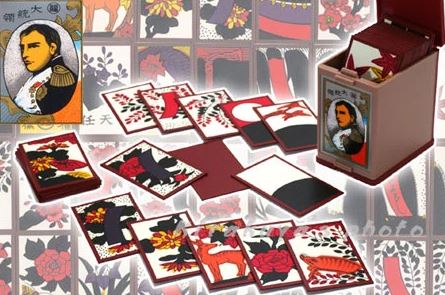
Japan has a remarkable tradition of turning everyday moments into something meaningful, and few cultural treasures capture that spirit quite like hanafuda. These beautiful Japanese playing cards feature flowers, seasonal plants, animals, ribbons, and other natural motifs. Unlike standard Western playing cards, which use familiar suits and numbers, hanafuda cards invite players into a world shaped by Japan’s changing seasons and centuries-old artistic traditions.
For anyone interested in Japanese culture, traditional games, collecting, or finding a distinctive gift, hanafuda offers something special. The cards are visually striking, compact, and connected to a style of entertainment that has remained popular across generations.
Whether you have discovered hanafuda through Japanese games, cultural research, or a desire to try something new, understanding its history, card designs, and gameplay can make the experience far more rewarding. This guide explores everything beginners need to know, including how hanafuda works, which games you can play, and what to consider when buying authentic Japanese playing cards online.
What Is Hanafuda? Understanding Japan’s Traditional Flower Cards
Hanafuda, written as 花札 in Japanese, translates roughly to “flower cards.” These traditional Japanese playing cards are known for their colourful illustrations inspired by flowers, plants, wildlife, poetry, and seasonal scenery.
A standard hanafuda deck contains 48 cards divided into 12 groups, with four cards representing each month of the year. Each month is associated with a particular plant or natural motif, creating a visual calendar of Japan’s seasons.
Unlike conventional playing cards, hanafuda decks do not typically display numbers or ranks in the familiar Western format. Instead, players learn to recognise illustrations and understand their values within a particular game.
Key features of hanafuda include:
-
Seasonal artwork: Each group represents a month and its associated natural imagery.
-
Traditional Japanese designs: The illustrations reflect cultural themes, landscapes, flowers, and animals.
-
Compact cards: Their small format makes them convenient for tabletop games and collections.
-
Multiple ways to play: Different games use the same deck but follow different scoring systems.
- Cultural significance: Hanafuda connects recreational play with Japanese artistic heritage.
These qualities make hanafuda appealing to both experienced game enthusiasts and people who simply appreciate traditional Japanese design.
The History of Hanafuda in Japanese Culture

The story of hanafuda is closely connected to Japan’s evolving relationship with playing cards. Western-style playing cards reached Japan through overseas trade during the sixteenth century. Over time, Japanese card makers developed distinctive local designs and games.
During the Edo period, authorities periodically restricted certain forms of gambling and card playing. This changing environment encouraged the development of different card styles and games, including designs that moved away from conventional Western suits and numerical markings.
Hanafuda gradually emerged as a recognisable Japanese card tradition. Its seasonal illustrations gave the cards a distinct identity, while its gameplay offered an alternative to conventional numbered decks.
The history of hanafuda is also associated with Nintendo, which began as a playing-card company in Kyoto in 1889. Nintendo initially became known for producing traditional Japanese playing cards, including hanafuda. The company's later transformation into a major video game business is one reason these traditional cards attract interest from gaming enthusiasts today.
Hanafuda remains an interesting part of Japanese popular culture because it bridges several worlds:
- Traditional craftsmanship and illustration
- Family entertainment and social gatherings
- Japanese gaming history
- Collecting and cultural appreciation
- The development of modern gaming companies
For collectors, owning a hanafuda deck can mean more than acquiring a set of cards. It can also be a way to appreciate an enduring piece of Japanese gaming history.
How Hanafuda Cards Are Organised
Learning the structure of a hanafuda deck is the first step towards understanding how to play.
A standard 48-card deck contains 12 monthly groups. Each group has four cards, and the artwork helps players identify the corresponding month.
Here is a simplified overview of the traditional monthly themes:
|
Month |
Common motif |
|
January |
Pine |
|
February |
Plum blossom |
|
March |
Cherry blossom |
|
April |
Wisteria |
|
May |
Iris |
|
June |
Peony |
|
July |
Bush clover |
|
August |
Pampas grass and moon |
|
September |
Chrysanthemum |
|
October |
Maple leaves |
|
November |
Willow |
|
December |
Paulownia |
The exact illustrations and card classifications can vary slightly between decks and designs.
Within each monthly group, the four cards usually have different roles in gameplay. Depending on the deck and game, these may include bright cards, animal or object cards, ribbon cards, and simpler flower or plant cards.
Not every category appears in exactly the same way for every month. Understanding the artwork and its role in the game is more useful than trying to memorise a single rigid pattern.
For beginners, the best approach is to familiarise yourself with the monthly motifs first. Once you recognise the flowers and seasonal images, matching cards and learning scoring combinations becomes easier.
How to Play Hanafuda: A Beginner-Friendly Guide?
Hanafuda is not a single game with one universal rulebook. It is a family of games played with the same basic type of deck. One of the best-known versions is Koi-Koi, a two-player game that combines matching, scoring combinations, and strategic decisions.
Although the rules differ between games, many hanafuda games revolve around matching cards from the same month.
Step 1: Prepare the Hanafuda Deck
Shuffle the 48 cards thoroughly before play. The number of cards dealt and placed face-up on the table depends on the chosen game.
For a typical Koi-Koi round, each player receives eight cards, and eight cards are placed face-up in the playing area. The remaining cards form a draw pile.
Before starting, make sure everyone understands the scoring combinations used in that version of the game.
Step 2: Match Cards by Month
Players take turns attempting to match a card in their hand with a card on the table from the same month.
For example, if you hold a card featuring a pine motif and a matching January card is face-up, you can capture the matching pair according to the game's rules.
If no match is available, you generally place a card from your hand onto the table. You then draw from the deck and attempt to make another match.
The exact sequence and handling of unmatched cards should follow the rules of the version you are playing.
Step 3: Collect Cards and Build Combinations
Captured cards can contribute to scoring combinations called yaku in Koi-Koi.
Common combinations include:
-
Five Brights: A combination involving five designated bright cards, subject to the rule set.
-
Three Brights: A qualifying combination of three bright cards.
-
Boar, Deer and Butterfly: A well-known combination involving specific animal cards.
-
Red Ribbons: A combination of designated red ribbon cards.
-
Blue Ribbons: A combination of designated blue ribbon cards.
- Moon Viewing and Flower Viewing: Special combinations involving particular cards and the rules of the game.
Different combinations carry different point values, and some rulesets recognise additional combinations.
Step 4: Decide Whether to Continue
Koi-Koi includes an important decision after a player makes a qualifying scoring combination. The player can declare Koi-Koi to continue the round in pursuit of additional combinations or stop and claim the score available under the rules.
Continuing may produce a larger reward, but it can also give the opponent an opportunity to score.
That balance between risk and reward is part of what makes hanafuda engaging. You need to pay attention to the cards already collected, the cards remaining on the table, and the possibilities available to both players.
Step 5: Practise Before Competing
If you are new to hanafuda, start with a simple ruleset and play a few practice rounds.
Keep a reference sheet nearby until you recognise the card categories and scoring combinations. The illustrations may look unfamiliar initially, but repeated play makes the patterns easier to remember.
Popular Hanafuda Games You Can Explore

One of the appealing features of hanafuda is its versatility. Different games offer different levels of complexity, so beginners and experienced players can find a style that suits them.
Koi-Koi
Koi-Koi is one of the most widely recognised hanafuda games. Usually played by two people, it involves matching monthly cards, collecting combinations, and deciding when to stop or continue.
It is a strong starting point for players who enjoy strategic decisions and want to learn the traditional card categories.
Hachi-Hachi
Hachi-Hachi is a traditional Japanese hanafuda game that can be played by multiple players, depending on the ruleset. It has its own scoring conventions and strategic elements.
Because its rules differ from Koi-Koi, beginners should use instructions specifically written for Hachi-Hachi rather than assuming the games work identically.
Other Regional and Traditional Games
Hanafuda has been used in various Japanese and regional card games, including games that developed distinctive local rules.
Some versions are more social and straightforward, while others require careful attention to scoring and card combinations.
When choosing a game, consider:
- How many people will be playing
- Whether the players are beginners or experienced
- How much time you want to spend learning the rules
- Whether you prefer casual matching or deeper strategy
Starting with Koi-Koi is often a practical choice because introductory explanations and scoring guides are widely available.
Why Hanafuda Cards Remain Popular Today?
Traditional games can survive for generations when they offer more than a way to pass the time. Hanafuda combines visual beauty, social interaction, cultural history, and strategic play in a small deck.
There are several reasons people continue to explore these cards.
1. A connection to Japanese culture
The monthly motifs introduce players to seasonal imagery that appears throughout Japanese art and tradition. Even people who do not play regularly may enjoy studying the illustrations.
2. A distinctive collecting experience
Hanafuda decks are visually different from ordinary playing cards. Collectors may be interested in traditional artwork, historic manufacturers, special editions, or differences between designs.
3. A refreshing alternative to modern games
Hanafuda offers a hands-on activity that does not require a screen. It can be enjoyed around a table with friends or family.
4. An introduction to strategic thinking
Games such as Koi-Koi encourage players to remember cards, recognise patterns, assess potential combinations, and make decisions under uncertainty.
5. A thoughtful gift
For someone interested in Japan, traditional games, illustration, or gaming history, a hanafuda deck can be a distinctive gift that encourages them to learn something new.
Buying Hanafuda Cards Online: What Should You Look For?
If you want to experience hanafuda for yourself, buying a suitable deck is the natural next step. However, not every deck is identical, and the right choice depends on whether you plan to play, collect, or display the cards.
Before purchasing, consider the following factors.
Choose a Complete Hanafuda Deck
A standard hanafuda deck usually contains 48 cards. If you intend to play traditional games, check that the product description confirms the deck's card count and intended use.
Special editions, decorative sets, or themed products may have different contents, so read the specifications carefully.
Check the Artwork and Design
Traditional hanafuda features seasonal plants, flowers, animals, ribbons, and other motifs. Look closely at the product photographs to understand the illustration style and overall presentation.
Some buyers prefer classic designs, while others may enjoy modern interpretations.
Consider the Intended Use
Ask yourself what you want from the deck:
-
For playing: Prioritise a complete, usable deck and accessible rules.
-
For collecting: Consider the artwork, manufacturer, edition, packaging, and condition.
-
For gifting: Look for attractive presentation and clear product information.
- For cultural learning: Choose a deck that allows you to study the seasonal motifs and card categories.
Review Shipping and Return Information
International shoppers should check delivery destinations, shipping costs, tracking options, estimated delivery times, and return policies before ordering.
These details matter particularly when buying traditional Japanese products from overseas. Clear product descriptions and transparent policies help you make a more informed decision.
Buy from a Store That Fits Your Interests
Japan Zone Store offers shoppers a way to explore Japanese products online. If you are searching for hanafuda, browse the store's current catalogue and verify whether a suitable deck is available before placing an order.
You can also explore other Japanese products to build a collection around traditional culture, clothing, footwear, or everyday Japanese craftsmanship.
Availability, product specifications, and shipping terms can change, so confirm the current details on the product page.
Hanafuda for Collectors, Japanese Culture Enthusiasts and Gift Buyers
Hanafuda appeals to several types of buyers, and each group may appreciate a different aspect of the cards.
Japanese culture enthusiasts may enjoy learning about the seasonal imagery and the historical context behind traditional games.
Board-game and card-game fans can explore a new style of play that relies on matching, memory, and scoring combinations rather than conventional suits and numbers.
Collectors may be interested in the artwork, packaging, printing styles, and historical associations of particular decks.
Gift buyers can choose hanafuda for someone who enjoys Japanese culture or wants to discover a traditional game.
Educators and cultural hobbyists may use the cards to introduce seasonal symbolism, Japanese vocabulary, or aspects of everyday entertainment.
Whatever your reason for exploring hanafuda, the experience becomes more rewarding when you take time to understand both the illustrations and the rules.
Conclusion: Discover the Lasting Appeal of Hanafuda
Hanafuda is much more than a traditional Japanese card deck. Its colourful seasonal illustrations, distinctive structure, and strategic games provide a window into Japan's cultural and gaming history.
From recognising the twelve monthly motifs to learning how to play Koi-Koi, beginners can gradually develop an appreciation for the cards. Experienced players may enjoy the tactical decisions, while collectors can admire the artwork and craftsmanship.
If you are interested in Japanese traditions or looking for a new tabletop game, hanafuda is well worth exploring. When shopping online, check the deck's contents, intended use, product details, and delivery policies before purchasing. Japan Zone Store is one place to explore Japanese products, so check its current catalogue if you are looking for a suitable hanafuda deck.
A little patience is all it takes to begin. Before long, those unfamiliar flowers, ribbons, and animals can become recognisable symbols in a game that connects history, art, and friendly competition.
Frequently Asked Questions About Hanafuda
1. What does hanafuda mean in Japanese?
Hanafuda (花札) means “flower cards.” The name refers to the traditional Japanese playing cards decorated with seasonal flowers, plants, animals, and related imagery.
2. How many cards are in a hanafuda deck?
A standard hanafuda deck contains 48 cards divided into 12 monthly groups, with four cards representing each month.
3. Is hanafuda difficult to learn?
Hanafuda may seem unfamiliar at first because it does not use the standard numbered suits found in Western playing cards. Beginners can start with Koi-Koi, learn the monthly motifs, and practise recognising scoring combinations.
4. Can you play hanafuda with two players?
Yes. Koi-Koi is a popular two-player hanafuda game. Other traditional hanafuda games may support different numbers of players, depending on their rules.
5. What is the most popular hanafuda game?
Koi-Koi is among the best-known hanafuda games. It combines matching cards, collecting scoring combinations, and deciding whether to continue a round or stop.
Additionally, if you’d like to stay updated on our latest posts, follow us on Facebook, Pinterest, Instagram and X .


