
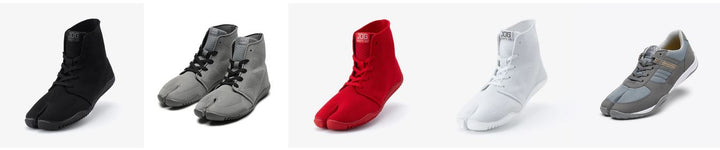
There is something instantly distinctive about tabi sneakers. They have a split-toe design that stands apart from conventional footwear, yet they can still feel surprisingly easy to wear with everyday outfits. Inspired by traditional Japanese tabi footwear, modern tabi sneakers bring together heritage, comfort, and contemporary streetwear style.
But with so many designs available today, choosing the right pair is not always straightforward. Are all split-toe shoes authentic Japanese styles? What should you look for in terms of materials, construction, fit, and craftsmanship? And how can you find a pair that feels genuinely connected to Japanese footwear culture rather than simply borrowing the look?
For shoppers who appreciate traditional Japanese products, these details matter. At Japan Store, the appeal goes beyond fashion. The store brings together Japanese apparel, footwear, toys and games, interior products, food, and other Japanese accessories for people who want to experience distinctive products inspired by Japanese culture.
If you are considering your first pair or looking to add another style to your collection, this guide will help you understand what makes good tabi sneakers worth choosing.
What Are Tabi Sneakers and Why Are They Popular?
Tabi sneakers are modern shoes influenced by traditional Japanese tabi footwear. The most recognisable feature is the split between the big toe and the remaining toes, creating a distinctive two-part toe shape.
Traditional tabi have been part of Japanese clothing culture for centuries, commonly worn with kimono and other traditional garments. Modern footwear designers have adapted this characteristic into sneakers, boots, and casual shoes.
Their popularity comes from several factors:
- Distinctive appearance: The split-toe shape immediately sets them apart.
- Japanese heritage: They connect modern fashion with traditional footwear design.
- Versatile styling: They can work with casual, workwear, streetwear, and minimalist outfits.
- Comfort-focused designs: Many modern versions are designed for regular walking and everyday use.
- Strong visual identity: They offer something different from standard sneakers.
For anyone tired of seeing the same footwear silhouettes everywhere, tabi sneakers offer a refreshing alternative.
Tabi Sneakers and the Influence of Traditional Japanese Footwear

To understand tabi sneakers, it helps to understand the footwear tradition behind them.
Traditional tabi are typically made as split-toe socks, while footwear such as jika-tabi developed the split-toe concept into a practical shoe. Jika-tabi became particularly associated with workers who needed flexible and functional footwear.
This history is important because the split-toe construction was never simply about appearance. It was connected to movement, practicality, and the way traditional Japanese footwear interacted with the foot.
Modern tabi sneakers reinterpret these ideas for contemporary wardrobes. They may use canvas, synthetic materials, rubber soles, or other modern components, but the defining split-toe profile remains.
That combination of old and new is one of the reasons Japanese-inspired footwear continues to attract attention internationally.
How to Choose Authentic-Looking Tabi Sneakers?
When shopping for tabi sneakers, do not judge a pair solely by its appearance. A convincing split-toe shape is only the beginning. Look at the overall construction and the details that give the footwear a genuine Japanese-inspired character.
1. Examine the Split-Toe Construction
The split should look deliberate rather than like a decorative line added to a conventional sneaker.
Pay attention to:
- The shape and depth of the toe separation
- How neatly the two sections are constructed
- Whether the toe design feels balanced
- How the split connects with the rest of the shoe
A well-designed pair should make the split-toe feature feel like an integral part of the footwear.
2. Consider the Materials
Material quality can make a major difference in both appearance and everyday comfort.
Canvas can create a casual, traditional feel, while synthetic or technical materials may offer a more contemporary appearance. Leather or leather-like finishes can create a more refined look.
Before purchasing, consider where you intend to wear the shoes. A lightweight casual pair may be ideal for everyday outfits, while a more robust construction could be better suited to frequent outdoor use.
3. Check the Sole
The sole should complement the overall purpose of the shoe.
Look for a sole that provides:
- Reliable traction
- Appropriate flexibility
- Comfortable everyday support
- A secure connection between the upper and sole
If you plan to walk extensively in your tabi sneakers, sole construction becomes particularly important. A visually attractive shoe is not much use if it becomes uncomfortable after a short period.
4. Look at the Stitching and Finishing
Small details often reveal how carefully a shoe has been made.
Inspect the stitching around the upper, toe area, heel, and sole. Consistent stitching and clean finishing generally indicate greater attention to construction.
You should also check the fastening system. Depending on the design, tabi sneakers may feature laces, straps, elastic sections, or other closures.
Why Tabi Sneakers Can Be a Great Everyday Choice?

One reason tabi sneakers have moved beyond niche Japanese fashion is their versatility.
You do not need to wear traditional Japanese clothing to enjoy them. In fact, their unusual silhouette can work especially well with simple modern clothing.
Try pairing them with:
- Straight-leg jeans
- Loose trousers
- Cargo pants
- Japanese workwear
- Oversized shirts
- Relaxed jackets
- Minimalist casual outfits
- Traditional-inspired Japanese clothing
A simple outfit can actually make the shoes stand out more. Pairing a distinctive split-toe sneaker with neutral trousers and a plain shirt creates a balanced look without making the outfit feel overly complicated.
For a stronger Japanese-inspired appearance, combine them with relaxed silhouettes, natural fabrics, and understated colours.
Tabi Sneakers vs. Traditional Tabi Footwear
Although they share a design heritage, tabi sneakers and traditional tabi footwear are not the same thing.
Traditional tabi are generally associated with Japanese dress and are often worn as socks with traditional footwear. Jika-tabi, on the other hand, are purpose-built split-toe shoes historically associated with practical work.
Modern tabi sneakers take inspiration from this concept while adapting it to contemporary lifestyles.
The key differences include:
|
Feature |
Tabi Sneakers |
Traditional Tabi |
|
Main purpose |
Everyday casual footwear |
Traditional Japanese clothing |
|
Construction |
Modern sneaker construction |
Traditional textile construction |
|
Sole |
Rubber or modern sneaker sole |
Usually worn with separate footwear |
|
Styling |
Casual and streetwear |
Kimono and traditional outfits |
|
Design influence |
Traditional tabi/jika-tabi |
Japanese heritage footwear |
Understanding this distinction can help you choose footwear based on what you actually need rather than simply buying the first split-toe design you find.
Rikio Tabi: A Name Worth Knowing
When researching Japanese split-toe footwear, you may come across Rikio tabi.
Rikio is associated with Japanese-style footwear and work shoes, making the name particularly relevant for shoppers interested in the practical side of tabi-inspired design.
For people discovering Japanese split-toe footwear for the first time, researching Rikio tabi can provide useful insight into how the traditional concept has been adapted into practical footwear.
If your interest is primarily fashion, you may prefer a sneaker-style silhouette. If you are more interested in Japanese workwear heritage and functional footwear, exploring Rikio and related tabi styles can be worthwhile.
How to Find the Right Tabi Sneakers for Your Style?

There is no single “best” pair of tabi sneakers for everyone. The right choice depends on how you dress, where you intend to wear them, and what you value most in footwear.
Consider these questions before buying:
What is your everyday style?
If your wardrobe is mainly denim and T-shirts, choose a simple sneaker design that will blend easily into your existing outfits.
If you prefer Japanese workwear, loose trousers, utility clothing, or minimalist fashion, you can experiment with more distinctive silhouettes.
How often will you wear them?
For everyday use, prioritise comfort, durability, and easy maintenance.
For occasional wear, appearance and styling flexibility may carry more weight.
Do you want traditional or modern character?
Some designs strongly reflect traditional Japanese footwear, while others use the split-toe concept in a distinctly contemporary sneaker.
Think about which direction appeals to you before making a purchase.
What type of fit do you prefer?
Never assume that an unusual toe shape automatically means an unusual fit. Check the manufacturer's sizing information and, when possible, compare the measurements with a pair of shoes you already own.
A good fit should feel secure without putting uncomfortable pressure around the split-toe area.
Common Mistakes to Avoid When Buying Tabi Sneakers
Finding the right tabi sneakers becomes easier when you know what to avoid.
Choosing appearance over construction: A striking design may look great online but fail to deliver the comfort or durability you need.
Ignoring sizing information: Split-toe footwear can feel different from conventional sneakers, so checking the size guide is essential.
Assuming every split-toe shoe is traditionally Japanese: The split-toe shape has become a global fashion feature. Look at the product's background, construction, and design inspiration if authenticity matters to you.
Buying without considering your wardrobe: An unusual pair may look fantastic but remain unworn if it does not work with your everyday clothes.
Overlooking the sole: The sole affects comfort, traction, flexibility, and longevity. It deserves as much attention as the upper.
Why Choose Japanese Products from Japan Store?
For shoppers interested in Japanese culture, footwear is often just the beginning. Japanese products are appreciated for their distinctive design philosophy, practical details, craftsmanship, and connection to everyday traditions.
Japan Store makes it easier to explore this wider world of Japanese products in one place. From traditional-inspired footwear and apparel to toys and games, interior products, food, and accessories, the selection reflects the variety of Japanese products available beyond mainstream fashion.
The store also offers a FREE Kinchaku Bag, adding another practical touch for customers interested in Japanese-inspired shopping.
Whether you are specifically searching for tabi sneakers or simply want to discover something different from Japan, exploring products with a clear cultural connection can make the shopping experience more meaningful.
How to Style Tabi Sneakers for Different Occasions?
One of the best things about tabi sneakers is how easily they can change character depending on the rest of your outfit.
For everyday casual wear: Pair them with relaxed jeans, a plain T-shirt, and an overshirt.
For Japanese-inspired streetwear: Try wide-leg trousers, a loose jacket, and understated accessories.
For workwear: Combine a sturdy tabi-inspired shoe with utility trousers, a work jacket, and a simple shirt.
For minimalist outfits: Keep everything else clean and neutral so the split-toe design becomes the focal point.
For a traditional-modern mix: Wear them with relaxed Japanese-inspired clothing and natural fabrics to create a look that references Japanese aesthetics without becoming a costume.
Final Thoughts on Choosing Tabi Sneakers
Tabi sneakers are more than an unusual alternative to ordinary trainers. Their split-toe design carries a connection to Japanese footwear history while giving modern wearers plenty of freedom to style them in contemporary ways.
The best pair is not necessarily the most expensive or the most eye-catching. It is the one that combines a well-designed split-toe shape, comfortable fit, suitable materials, dependable construction, and a style that works with your wardrobe.
If Japanese footwear culture interests you, take the time to explore the difference between modern tabi sneakers, traditional tabi, and practical styles such as Rikio tabi. Understanding where the design comes from makes wearing it even more enjoyable.
For those looking to explore Japanese footwear and other traditional-inspired products, Japan Store offers an opportunity to discover products that bring elements of Japanese culture into everyday life.
FAQs About Tabi Sneakers
Are tabi sneakers comfortable for everyday wear?
Yes, many modern tabi sneakers are designed for everyday use. Comfort ultimately depends on the shoe's construction, sizing, cushioning, and your individual foot shape.
Are tabi sneakers actually Japanese?
Tabi sneakers are modern footwear influenced by traditional Japanese tabi and split-toe footwear. However, not every split-toe shoe sold today is necessarily made in Japan, so check the product information if Japanese origin is important to you.
What makes tabi sneakers different from normal sneakers?
The most obvious difference is the split-toe construction. Instead of keeping all the toes together inside a conventional toe box, tabi-inspired footwear separates the big toe from the other toes.
What are Rikio tabi?
Rikio tabi refers to tabi-style footwear associated with Rikio, a Japanese footwear brand known for practical split-toe shoes. They are particularly interesting to people exploring the workwear and functional side of Japanese tabi footwear.
Can I wear tabi sneakers with jeans?
Absolutely. Jeans are one of the easiest ways to style tabi sneakers. Straight, relaxed, and wider-leg jeans can all work, depending on the silhouette of the shoes.
Are tabi sneakers suitable for beginners?
Yes. If you are new to split-toe footwear, a simple sneaker-style pair is often an approachable starting point. Choose a versatile colour and prioritise a comfortable fit so you can incorporate them naturally into your existing wardrobe.
Where can I explore Japanese tabi-inspired products?
Japan Store is a useful place to explore Japanese footwear alongside apparel, accessories, home and interior products, toys and games, food, and other Japanese products. It is particularly suited to shoppers who want to discover Japanese-inspired products beyond conventional mainstream offerings.
Additionally, if you’d like to stay updated on our latest posts, follow us on Facebook, Pinterest, Instagram and X .


