
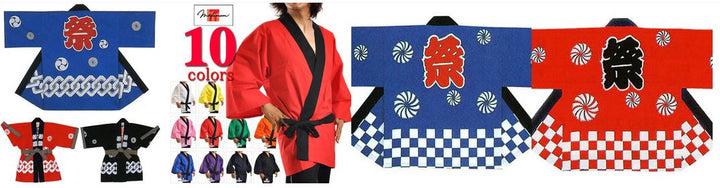
Traditionelle japanische Kleidung wird weltweit für ihre Eleganz, Symbolik und Handwerkskunst bewundert. Zu den bekanntesten Kleidungsstücken gehören der Kimono und der Happi-Mantel. Obwohl beide ihren Ursprung im reichen kulturellen Erbe Japans haben, dienen sie sehr unterschiedlichen Zwecken und Stilen. Gleichzeitig hat sich die moderne japanische Mode weiterentwickelt und umfasst praktische Kleidung wie japanische Arbeitshosen, die Tradition mit Funktion verbinden.
Im Japan Store sind wir darauf spezialisiert, authentische japanische Kleidung und Arbeitskleidung direkt aus Japan an Kunden auf der ganzen Welt zu liefern. In diesem Leitfaden werden wir die wichtigsten Unterschiede zwischen einem Kimono und einem japanischen Happi-Mantel untersuchen, wie sie heute getragen werden und wie moderne Kleidung wie japanische Arbeitshosen traditionelle Kleidungsstücke für den täglichen Gebrauch ergänzt.
Traditionelle japanische Kleidung verstehen
Japanische Kleidung spiegelt Jahrhunderte der Geschichte, Handwerkskunst und kultureller Bedeutung wider. Jedes Kleidungsstück ist mit Bedacht entworfen – sei es für zeremonielle, festliche oder funktionelle Zwecke.
Zwei der am häufigsten verwechselten traditionellen Kleidungsstücke sind:
- Kimono
- Japanischer Happi-Mantel
Obwohl sie für das ungeübte Auge ähnlich aussehen mögen, unterscheiden sich ihre Struktur, Verwendung und kulturelle Bedeutung erheblich.
Was ist ein Kimono?
Der Kimono ist das bekannteste traditionelle Kleidungsstück Japans. Es ist ein langes, robartiges Outfit mit weiten Ärmeln und einem Wickeldesign, das mit einem Obi (Gürtel) gesichert wird.
Hauptmerkmale eines Kimonos
- Wadenlange Robe, die bis zu den Knöcheln reicht
- Hergestellt aus Seide, Baumwolle oder Wolle
- Weite Ärmel und gerade Nähte
- Wird bei formellen Anlässen, Zeremonien und Traditionen getragen
Kimonos werden oft mit Hochzeiten, Teezeremonien, Volljährigkeitsfeiern und saisonalen Festen in Verbindung gebracht. Aufgrund ihrer geschichteten Struktur erfordert das Tragen Geschick und sie werden typischerweise nicht für alltägliche Aktivitäten verwendet.
Was ist ein japanischer Happi-Mantel?
Ein japanischer Happi-Mantel ist ein kürzeres, legeres Kleidungsstück, das traditionell von Arbeitern, Festivalteilnehmern und Handwerkern getragen wird. Im Gegensatz zum Kimono legen Happi-Mäntel Wert auf Komfort und Bewegungsfreiheit.
Hauptmerkmale japanischer Happi-Mäntel
- Hüftlanges oder oberschenkellanges Design
- Leicht und atmungsaktiv
- Offene Vorderseite mit geraden Ärmeln
- Oft mit markanten Symbolen oder Familienwappen verziert
Japanische Happi-Mäntel werden häufig bei Festen, Paraden und Gemeinschaftsveranstaltungen getragen. Heute sind sie auch als legere Oberbekleidung und kulturelle Modeartikel beliebt.
Kimono vs. Happi-Mantel: Die wichtigsten Unterschiede erklärt

Das Verständnis des Unterschieds zwischen diesen Kleidungsstücken hilft Ihnen, das richtige für Ihren Lebensstil oder Anlass auszuwählen.
Länge und Struktur
-
Kimono: Lang und fließend, bedeckt den größten Teil des Körpers
- Happi-Mantel: Kürzer und entspannter
Zweck
-
Kimono: Formell, zeremoniell und traditionell
- Happi-Mantel: Leger, festlich und praktisch
Tragekomfort
-
Kimono: Erfordert Schichten und Accessoires
- Happi-Mantel: Einfach an- und auszuziehen
Aufgrund dieser Praktikabilität kombinieren viele Menschen Happi-Mäntel mit moderner Kleidung, wie z.B. japanischen Arbeitshosen, für Komfort und Stil.
Wie japanische Arbeitshosen in die moderne traditionelle Kleidung passen?
Während Kimonos und Happi-Mäntel traditionelle Kleidungsstücke sind, umarmt die moderne japanische Mode die Praktikabilität. Japanische Arbeitshosen sind von traditioneller Arbeitskleidung inspiriert und auf Haltbarkeit, Komfort und Bewegungsfreiheit ausgelegt.
Diese Hosen werden oft getragen von:
- Handwerkern
- Bauarbeitern
- Festivalmitarbeitern
- Kulturschaffenden
Ihr minimalistisches Design ermöglicht es ihnen, mühelos mit Happi-Mänteln kombiniert zu werden, wodurch ein Look entsteht, der die Tradition ehrt und gleichzeitig den modernen Lebensstil unterstützt.
Warum japanische Arbeitshosen weltweit an Popularität gewinnen?
Die globale Modebranche hat die japanische Ästhetik für ihre Funktionalität und ihr zeitloses Design übernommen. Japanische Arbeitshosen sind da keine Ausnahme.
Vorteile japanischer Arbeitshosen
- Robuste Materialien, geeignet für den täglichen Gebrauch
- Lockere Passform für mehr Bewegungsfreiheit
- Funktionelle Taschen für Arbeit und Reisen
- Minimalistisches Design, das gut zu traditionellen Oberteilen passt
Im Japan Store sehen wir, wie Kunden japanische Happi-Mäntel mit japanischen Arbeitshosen kombinieren, um ein praktisches Outfit zu kreieren, das immer noch kulturelle Authentizität widerspiegelt.
Wann man einen Kimono vs. einen Happi-Mantel tragen sollte
Die Wahl zwischen einem Kimono und einem Happi-Mantel hängt vom Anlass ab.
Tragen Sie einen Kimono, wenn:
- Sie an formellen Veranstaltungen teilnehmen
- Sie an traditionellen Zeremonien teilnehmen
- Sie kulturelle Meilensteine feiern
Tragen Sie einen Happi-Mantel, wenn:
- Sie an Festivals oder Straßenfesten teilnehmen
- Sie lässige traditionelle Mode suchen
- Sie ihn mit moderner Kleidung wie japanischen Arbeitshosen kombinieren
Die Vielseitigkeit von Happi-Mänteln macht sie ideal für den Alltag, insbesondere in Kombination mit moderner japanischer Arbeitskleidung.
Japanische Happi-Mäntel mit Arbeitskleidung stylen

Einer der beliebtesten modernen Stile ist die Kombination von Tradition mit Funktion. Das Kombinieren von Happi-Mänteln mit japanischen Arbeitshosen schafft einen ausgewogenen Look, der sowohl kulturell als auch praktisch ist.
Styling-Tipps
- Wählen Sie neutrale Arbeitshosen für Vielseitigkeit
- Halten Sie Accessoires minimal
- Tragen Sie traditionelle Schuhe oder moderne Turnschuhe
- Tragen Sie saisonale Unterwäsche als Schicht
Diese Kombination ist besonders beliebt bei Reisenden, Künstlern und Kulturbegeisterten.
Authentische japanische Kleidung im Japan Store kaufen
Im Japan Store bieten wir direkten Zugang zu authentischer japanischer Kleidung und Arbeitskleidung, die direkt aus Japan bezogen wird. Wenn Sie einen bestimmten Artikel nicht finden können, ermöglicht unser Käuferservice, ihn direkt von japanischen Lieferanten zu beziehen.
Unser transparenter Prozess umfasst:
- Produktkosten (einschließlich Mehrwertsteuer)
- Inlandsversand (falls zutreffend)
- Optionaler Suchdienst
- Bearbeitung und internationaler Versand
Dieser Service stellt sicher, dass Sie echte japanische Kleidungsstücke erhalten, egal ob Sie einen Happi-Mantel oder japanische Arbeitshosen kaufen.
Warum der Japan Store weltweit vertraut wird?
Kunden wählen den Japan Store, weil wir Authentizität, Transparenz und globale Zugänglichkeit priorisieren.
Was uns auszeichnet
- Direkte Beschaffung aus Japan
- Weltweiter Versand
- Mehrere Währungszahlungsoptionen
- Engagierter Kundensupport
Von traditioneller Kleidung bis hin zu moderner Arbeitskleidung machen wir japanische Mode für jedermann zugänglich.
Fazit
Obwohl sowohl der Kimono als auch der japanische Happi-Mantel tief in der japanischen Kultur verwurzelt sind, dienen sie unterschiedlichen Zwecken. Der Kimono bleibt ein Symbol für Tradition und Formalität, während der Happi-Mantel Praktikabilität und Feierlichkeit repräsentiert. In der modernen Mode überbrückt die Kombination von Happi-Mänteln mit japanischen Arbeitshosen die Lücke zwischen Tradition und Alltagskleidung.
Im Japan Store helfen wir Ihnen, authentische japanische Mode zu entdecken, die zu Ihrem Lebensstil passt – ob zeremoniell, lässig oder arbeitsbezogen. Indem Sie diese Kleidungsstücke verstehen, können Sie fundierte Entscheidungen treffen, die das japanische Erbe ehren und gleichzeitig Komfort und Funktionalität berücksichtigen.
Häufig gestellte Fragen
1. Was ist der Hauptunterschied zwischen einem Kimono und einem Happi-Mantel?
Ein Kimono ist formell und bodenlang, während ein Happi-Mantel kürzer, lässiger und leichter zu tragen ist.
2. Können japanische Happi-Mäntel täglich getragen werden?
Ja, Happi-Mäntel sind auf Komfort ausgelegt und werden häufig zu lässigen Outfits, einschließlich japanischer Arbeitshosen, getragen.
3. Sind japanische Arbeitshosen traditionelle Kleidung?
Sie sind von traditioneller Arbeitskleidung inspiriert, aber für moderne Funktionalität und den täglichen Gebrauch konzipiert.
4. Kann ich japanische Arbeitshosen mit traditionellen Oberteilen kombinieren?
Absolut. Japanische Arbeitshosen passen gut zu Happi-Mänteln und anderen traditionellen Kleidungsstücken.
5. Versendet der Japan Store international?
Ja, der Japan Store versendet weltweit und bietet einen Käuferservice an, um Artikel direkt aus Japan zu beziehen.
6. Sind japanische Arbeitshosen auch für den Nicht-Arbeitsbereich geeignet?
Ja, sie sind aufgrund ihres Komforts und ihrer Strapazierfähigkeit beliebt für Reisen, Freizeitkleidung und kulturelles Styling.
Sie können uns folgen, um die neuesten Beiträge auf Pinterest, Instagram, Twitter und Facebook zu erhalten.


