
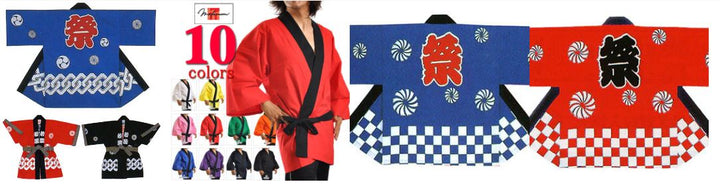
Japan has a remarkable ability to preserve tradition while continually inspiring modern fashion. From kimono and yukata to contemporary streetwear, Japanese clothing tells stories that stretch back centuries. Among these iconic garments, the Japanese happi coat holds a special place. Instantly recognizable by its loose fit, striking patterns, and cultural significance, the happi coat has evolved from a practical uniform into a beloved symbol of Japanese heritage and style.
Today, people around the world wear happi coats for festivals, cultural celebrations, fashion styling, cosplay, and even everyday casual wear. Yet many people are unfamiliar with the fascinating history behind this unique garment.
Whether you're exploring Japanese culture for the first time or looking to add authentic Japanese apparel to your wardrobe, understanding the story of the happi coat makes wearing one even more meaningful.
At Japan Store, enthusiasts can discover authentic Japanese-inspired clothing and accessories that celebrate both traditional craftsmanship and modern fashion.
What Is a Japanese Happi Coat?
A Japanese happi coat is a traditional Japanese jacket typically made from lightweight cotton and designed with a straight, loose-fitting silhouette. Historically, happi coats were worn by workers, merchants, and festival participants, often featuring bold symbols, family crests, or business logos on the back.
Unlike a formal kimono, a happi coat is easy to wear, comfortable, and versatile. It usually reaches the hips or thighs and is worn open or secured with a simple sash.
Today, happi coats are commonly associated with:
- Japanese festivals (Matsuri)
- Traditional celebrations
- Cultural performances
- Martial arts events
- Japanese-themed fashion
- Casual streetwear styling
Their combination of practicality and visual appeal has helped them remain relevant for generations.
The History of the Japanese Happi Coat
The origins of the Japanese happi coat date back hundreds of years.
During Japan's Edo Period (1603–1868), happi coats were often worn by servants, tradesmen, firefighters, and workers. They served a practical purpose while also helping identify a person's affiliation with a family, guild, organization, or employer.
As Japanese cities grew, visual identification became increasingly important. Businesses and merchant houses began displaying their unique symbols on workers' clothing, and the happi coat became one of the most recognizable forms of identification.
Over time, these garments became closely linked with festivals and community celebrations. Local groups would wear matching happi coats featuring distinctive colors and crests, creating a strong sense of unity and pride.
This tradition continues today, making the happi coat one of the most enduring symbols of Japanese community culture.
The Meaning Behind Japanese Happi Coat Designs

One of the most fascinating aspects of the Japanese happi coat is the symbolism woven into its design.
Traditional happi coats often feature:
Family Crests (Mon)
These emblems represent family heritage and lineage. Similar to a coat of arms, they symbolize identity and history.
Kanji Characters
Large Japanese characters are commonly printed on the back of happi coats. These characters may represent:
- Strength
- Prosperity
- Festival groups
- Businesses
- Local communities
Traditional Patterns
Many happi coats incorporate classic Japanese motifs such as:
- Waves
- Cherry blossoms
- Dragons
- Cranes
- Geometric patterns
Each design element contributes to the garment's cultural meaning and visual impact.
Why Happi Coats Remain Popular Today?
Many traditional garments fade from everyday use over time. Happi coats are different.
The reason they continue to thrive is simple: they are both culturally significant and incredibly wearable.
Modern consumers appreciate clothing that feels authentic. A Japanese happi coat offers a direct connection to Japanese culture while remaining comfortable enough for everyday wear.
People love happi coats because they are:
- Lightweight
- Easy to style
- Comfortable
- Visually distinctive
- Rich in cultural heritage
- Suitable for various occasions
This balance of tradition and practicality has helped them remain popular across generations.
Modern Uses of Japanese Happi Coat Fashion
While happi coats originated as workwear and ceremonial garments, their modern applications are surprisingly diverse.
Festival Wear
This remains the most traditional use of happi coats.
Across Japan, thousands of festival participants wear matching happi coats during celebrations, parades, and cultural events.
Casual Fashion
Many people now incorporate happi coats into their everyday wardrobes.
They work especially well as lightweight outerwear and can add a unique Japanese-inspired element to an otherwise simple outfit.
Streetwear Styling
Japanese street fashion often blends traditional and modern influences.
A happi coat layered over a T-shirt, paired with relaxed trousers and sneakers, creates an effortlessly stylish look.
Cultural Events
Happi coats are popular at:
- Japanese cultural festivals
- Anime conventions
- Martial arts demonstrations
- Community celebrations
They help participants celebrate Japanese culture while maintaining comfort throughout the event.
Home and Lounge Wear
Some people even wear lightweight happi coats around the house as comfortable alternatives to robes or cardigans.
How to Style a Japanese Happi Coat?
One reason the Japanese happi coat continues gaining popularity globally is its versatility.
Casual Everyday Outfit
Pair a happi coat with:
- Plain white T-shirt
- Slim jeans
- Sneakers
This creates a relaxed and approachable look.
Japanese-Inspired Streetwear
Combine:
- Oversized T-shirt
- Wide-leg trousers
- Minimal sneakers
- Patterned happi coat
This creates a contemporary outfit inspired by modern Tokyo fashion.
Summer Festival Style
Wear your happi coat over:
- Lightweight shirt
- Shorts
- Comfortable sandals
Perfect for outdoor cultural events and warm-weather gatherings.
Layered Fashion Look
Use the happi coat as a lightweight outer layer over neutral basics to add color and visual interest without overwhelming your outfit.
What Makes Happi Coats Different from Kimono and Yukata?
People new to Japanese clothing often confuse happi coats with kimono and yukata.
Although they share cultural roots, they serve different purposes.
Happi Coat
- Short jacket style
- Casual and lightweight
- Easy to wear
- Often worn open
Kimono
- Formal traditional garment
- Full-length design
- Worn with multiple layers
- Requires specific dressing techniques
Yukata
- Casual summer kimono
- Lightweight cotton fabric
- Common at festivals
- More structured than a happi coat
The happi coat is often the easiest entry point for people interested in Japanese fashion because it combines traditional aesthetics with modern practicality.
Why Authentic Happi Coats Matter?
As Japanese-inspired fashion becomes more popular worldwide, many mass-produced imitations have entered the market.
Authentic happi coats stand out because they preserve the design principles, cultural symbolism, and craftsmanship that make these garments special.
When shopping for a Japanese happi coat, look for:
- Traditional Japanese-inspired patterns
- Quality cotton construction
- Clear cultural design elements
- Comfortable fit
- Authentic craftsmanship
Buying from trusted Japanese-focused retailers helps ensure a more authentic experience.
Why Japanese Fashion Enthusiasts Love Happi Coats?

The appeal of the Japanese happi coat goes beyond appearance.
Fashion enthusiasts appreciate happi coats because they represent:
- Cultural storytelling
- Timeless craftsmanship
- Functional design
- Artistic expression
- Individual style
Unlike fast-fashion trends that come and go, happi coats carry historical significance while remaining surprisingly modern.
This blend of heritage and versatility makes them a valuable addition to any wardrobe.
Discover Authentic Japanese Style with Japan Store
For those interested in Japanese apparel, finding authentic pieces can make all the difference.
Japan Store offers a carefully curated selection of Japanese-inspired clothing, accessories, and cultural products that celebrate the beauty of traditional and contemporary Japan.
Whether you're searching for a festival garment, a unique fashion statement, or a meaningful gift, happi coats provide a wonderful introduction to Japanese style and craftsmanship.
Conclusion
The Japanese happi coat is much more than a lightweight jacket. It is a symbol of community, heritage, craftsmanship, and cultural pride. From its origins in Edo-period Japan to its growing presence in global fashion, the happi coat has successfully bridged the gap between tradition and modern style.
Today, happi coats continue to inspire people around the world who appreciate authentic cultural fashion. Their versatility, comfort, and visual appeal make them suitable for everything from festivals and cultural events to casual everyday wear.
Whether you're drawn to Japanese culture, traditional craftsmanship, or simply looking for a unique wardrobe addition, a happi coat offers a meaningful way to connect with one of Japan's most enduring fashion traditions.
FAQs
What is a Japanese happi coat?
A Japanese happi coat is a traditional lightweight jacket originally worn by workers, merchants, and festival participants in Japan. Today, it is widely worn for cultural events, festivals, and fashion.
What are happi coats used for today?
Modern happi coats are commonly worn for festivals, Japanese cultural celebrations, casual fashion, cosplay events, and streetwear styling.
Are happi coats different from kimono?
Yes. Happi coats are shorter, lighter, and more casual than kimono. They are easier to wear and often function as lightweight jackets.
Can I wear a Japanese happi coat casually?
Absolutely. Many people wear happi coats with jeans, T-shirts, sneakers, and modern streetwear outfits.
Where can I buy authentic happi coats?
Japan Store offers a selection of Japanese-inspired clothing and accessories, including traditional and modern Japanese fashion pieces that celebrate authentic Japanese culture.
Additionally, if you’d like to stay updated on our latest posts, follow us on Facebook, Pinterest, Instagram and X .


