
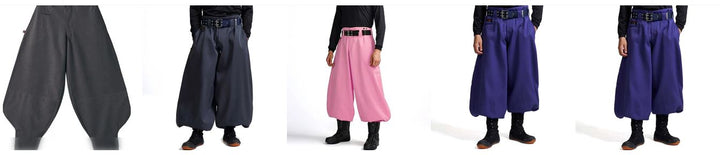
When it comes to traditional Japanese workwear, few garments have a silhouette as distinctive as Tobi Pants. With their dramatically roomy upper legs, tapered lower sections, and practical construction, these trousers are instantly recognisable. They are not simply another pair of loose-fitting work pants; they are part of a Japanese workwear tradition shaped by craftsmanship, movement, and practicality.
Today, Tobi Pants have also attracted attention outside Japan. Their unusual shape makes them appealing to people interested in Japanese clothing, heritage workwear, street style, and functional fashion. At Japan Store, shoppers can explore Japanese-inspired clothing and accessories that bring this distinctive aesthetic into a modern wardrobe.
But what exactly are Tobi Pants? How should they fit? And why have they remained popular for so long? Let's take a closer look.
What Are Tobi Pants?
Tobi Pants are traditional Japanese work trousers associated particularly with construction workers and tradespeople. The name "tobi" is connected with tobi-shoku, a Japanese term referring to specialist construction workers who often work at heights.
The trousers are famous for their exaggerated shape. Unlike conventional work trousers, which generally maintain a fairly consistent width through the leg, Tobi Pants can be extremely wide around the thighs and knees before narrowing considerably toward the ankles.
This distinctive design has practical roots.
The generous fabric around the upper leg provides freedom of movement, while the narrower lower leg helps prevent excess material from becoming a nuisance when working around structures, tools, ladders, and other equipment.
Over time, the look became an important part of Japanese workwear culture.
Tobi Pants and Their Distinctive Design

One of the first things people notice about Tobi Pants is their silhouette. Depending on the style, they may appear almost balloon-like around the upper legs.
Some common characteristics include:
- Extremely roomy thighs and knees
- A dramatically tapered lower leg
- Durable workwear fabrics
- Practical waist construction
- Functional pockets
- Strong stitching designed for demanding environments
- A distinctive Japanese workwear appearance
The amount of volume can vary significantly. Some modern versions are relatively subtle, while traditional styles can have an exceptionally wide upper leg.
That variety makes Tobi Pants interesting beyond their original workwear purpose. Someone looking for a relaxed everyday silhouette may prefer a less exaggerated style, while enthusiasts of traditional Japanese workwear may appreciate the more dramatic proportions.
How Do Tobi Pants Fit?
Understanding the fit is important before buying Tobi Pants, particularly if you're accustomed to jeans, chinos, or standard work trousers.
The waist should generally feel secure and comfortable, while the upper leg is intentionally spacious. Don't assume that a large amount of fabric around the thighs means the trousers are too big. That volume is a defining feature of the design.
The lower leg, on the other hand, should look considerably narrower.
Think of the silhouette as:
Comfortable waist → very generous thigh → roomy knee → strongly tapered ankle
This creates a shape that's completely different from straight-leg or relaxed-fit trousers.
When choosing a pair, pay attention to:
-
Waist measurement: The waistband should fit comfortably without excessive tightening.
-
Inseam: Consider where you want the trousers to sit around your footwear.
-
Lower-leg width: This can vary greatly between different designs.
-
Fabric: Sturdier fabrics can create a more structured silhouette.
- Intended use: Traditional workwear and fashion-oriented versions may have different proportions.
Because the silhouette is intentionally oversized through much of the leg, focusing only on your usual trouser size can be misleading. Checking the garment's actual measurements is a much better approach.
Toraichi Pants: A Famous Name in Japanese Workwear

When researching Tobi Pants, you're likely to encounter the name Toraichi Pants. Toraichi is strongly associated with Japanese professional workwear and has become particularly recognised for its distinctive tobi-style trousers.
For people discovering Japanese workwear for the first time, Toraichi provides useful context for understanding how specialised Japanese work clothing developed.
Toraichi tobi pants are particularly recognisable for their dramatic proportions and traditional workwear character. They demonstrate how a garment can be designed around the physical demands of a profession while eventually becoming appreciated for its visual identity as well.
The popularity of this style also reflects a broader interest in Japanese craftsmanship. Japanese workwear often places considerable emphasis on durability, construction, comfort, and purpose rather than treating clothing as purely decorative.
Tobi Trousers vs. Regular Work Pants
At first glance, tobi trousers might seem like oversized versions of ordinary work trousers. However, the difference is more deliberate than simply adding extra fabric.
Traditional work trousers usually aim for a practical but relatively conventional silhouette. Tobi trousers are built around a very different proportion.
The additional room around the upper leg can make bending, climbing, crouching, and moving easier. The tapered bottom provides a contrasting shape that helps keep the garment visually controlled.
This combination gives Tobi Pants their signature appearance.
They also offer something that standard trousers often don't: a strong connection to Japanese occupational clothing. For enthusiasts, that history is part of the appeal.
Why Are Tobi Work Pants So Popular?
The popularity of Tobi work pants comes from several factors.
1. They Have a Unique Silhouette
Fashion is often about finding something distinctive. Tobi Pants immediately stand apart from conventional trousers.
Their exaggerated upper-leg volume gives an outfit an unmistakable Japanese workwear character.
2. They Prioritise Movement
The generous cut isn't merely decorative. It comes from a workwear tradition where freedom of movement matters.
For people who dislike restrictive slim trousers, this can be an appealing alternative.
3. They Reflect Japanese Workwear Heritage
Japanese clothing enthusiasts often appreciate garments that tell a story. Tobi Pants are connected to construction, skilled trades, and traditional workwear culture.
That history gives them a sense of authenticity that ordinary fashion trousers may not provide.
4. They Work With Different Styles
Despite their traditional roots, Tobi Pants can be styled in contemporary ways.
Try them with:
- A simple heavyweight T-shirt
- A Japanese work jacket
- A traditional happi coat
- A relaxed overshirt
- Canvas or leather footwear
- Japanese-style sandals for a more casual look
The key is to allow the trousers to remain the visual focus. Since the lower half already has a strong silhouette, a relatively simple upper half often works best.
Japanese Tobi Pants: More Than a Fashion Trend

The growing interest in Japanese tobi pants is part of a larger appreciation for Japanese workwear. Consumers are increasingly interested in clothing with a story, particularly garments that combine traditional construction with everyday practicality.
Japanese workwear has a reputation for thoughtful details. Instead of relying solely on branding or decoration, many garments derive their appeal from the way they are made and how they function.
That's one reason Tobi Pants can feel different from mass-market oversized trousers.
They're not simply designed to look big.
The proportions have a cultural and functional background.
How to Style Tobi Pants Today?
Wearing Tobi Pants doesn't require an entirely traditional outfit. In fact, their unusual shape makes them surprisingly versatile.
For a casual everyday look, pair them with a plain T-shirt and simple sneakers. This keeps the outfit understated while allowing the trousers to provide the character.
For a stronger Japanese workwear look, combine them with a durable work jacket, traditional shirt, or happi-style garment.
You can also experiment with proportions. A shorter jacket can emphasise the shape of the trousers, while a relaxed overshirt creates a more layered appearance.
A few simple styling principles can help:
- Keep colours relatively coordinated.
- Avoid adding too many oversized pieces at once.
- Let the trousers' silhouette remain visible.
- Choose footwear that doesn't overwhelm the tapered ankle.
- Consider the occasion and practicality of the fabric.
At Japan Store, shoppers interested in Japanese clothing can use these traditional influences as inspiration for building a wardrobe that feels distinctive without appearing forced.
Are Tobi Pants Comfortable?
Comfort depends on the fabric, construction, waist design, and individual preference, but the roomy cut is one of the main reasons people enjoy Tobi Pants.
The generous upper-leg space allows considerable freedom compared with slim or narrow trousers. However, someone who is accustomed to fitted clothing may initially find the silhouette unusual.
There's also a difference between wearing them casually and using traditional workwear in a professional environment. If you're buying a pair specifically for demanding physical work, construction quality, fabric durability, pocket placement, and sizing should take priority over appearance.
For everyday fashion, comfort and styling can take a larger role in the decision.
What Makes Tobi Pants Different From Tobi Trousers?
The terms Tobi Pants and Tobi Trousers are often used interchangeably when discussing this style of Japanese workwear.
The terminology can vary depending on the retailer, region, and context. You may also encounter descriptions such as Japanese work pants, tobi workwear, or traditional Japanese construction trousers.
The important thing is to look beyond the name and examine the actual design.
Check the measurements, leg proportions, fabric, waistband, and overall construction before purchasing. Two products described with similar terminology can have noticeably different silhouettes.
Choosing the Right Tobi Pants
If you're buying your first pair, start by deciding why you want them.
Are you interested in traditional Japanese workwear? Looking for unusual everyday trousers? Building a Japanese-inspired wardrobe? Or searching for practical clothing with plenty of room to move?
Your answer can guide your choice.
Consider these factors:
Purpose: Traditional work, casual wear, costume, or fashion.
Silhouette: Decide how dramatic you want the taper and upper-leg volume to be.
Fabric: Cotton and heavier workwear materials can provide structure and durability.
Size: Always compare the manufacturer's measurements with trousers you already own.
Footwear: Think about what shoes or sandals you'll wear with them.
For first-time buyers, a moderately wide pair can be an easier introduction than the most exaggerated traditional cut.
The Lasting Appeal of Toraichi Tobi Pants

The continuing interest in Toraichi tobi pants says something interesting about Japanese workwear. Clothing originally designed for a particular occupation can eventually become appreciated by people far removed from that profession.
The appeal lies partly in authenticity.
Tobi trousers don't look like conventional fashion trousers that have simply been made oversized for a season. Their proportions come from a genuine workwear tradition.
That gives them personality.
For anyone interested in Japanese clothing, Toraichi Pants and similar styles offer an opportunity to explore a different approach to design—one where function, heritage, and distinctive aesthetics meet.
Conclusion: Why Tobi Pants Continue to Stand Out
Tobi Pants are a great example of how practical clothing can become culturally and stylistically significant. Their unusual proportions were shaped by the needs of Japanese workers, but their distinctive appearance has helped them attract a much wider audience.
From Toraichi Pants and Toraichi tobi pants to contemporary Japanese tobi pants, the style continues to represent a fascinating combination of function, craftsmanship, and Japanese workwear heritage.
Whether you're discovering tobi trousers for the first time or already appreciate Japanese workwear, these trousers offer something different from ordinary jeans and work pants. They're roomy where movement matters, tapered where control matters, and distinctive everywhere else.
For those interested in exploring Japanese clothing, footwear, and accessories, Japan Store provides a natural place to discover pieces inspired by the character and craftsmanship of Japan. And when it comes to trousers with a story, few styles make an impression quite like Tobi Pants.
FAQs About Tobi Pants
What are Tobi Pants?
Tobi Pants are traditional Japanese work trousers known for their extremely roomy upper legs and tapered lower sections. They are historically associated with Japanese construction workers and specialist tradespeople.
Why are Tobi Pants so baggy?
The generous upper-leg cut is rooted in workwear functionality. Extra room allows freedom of movement during activities such as climbing, bending, crouching, and working around construction sites.
Are Tobi Pants comfortable?
They can be very comfortable because of their spacious cut. However, comfort depends on the fabric, waistband, sizing, and individual preference.
Are Tobi Pants only for construction workers?
No. While they have strong roots in Japanese construction workwear, modern enthusiasts also wear them as casual clothing and as part of Japanese-inspired fashion.
What are Toraichi tobi pants?
Toraichi tobi pants are tobi-style work trousers associated with Toraichi, a recognised name in Japanese workwear. They are known for their distinctive proportions and workwear-oriented design.
Can I wear Tobi Pants casually?
Absolutely. Pair them with a simple T-shirt, work jacket, sneakers, or Japanese-inspired footwear for a relaxed everyday outfit.
Are Tobi Pants the same as Japanese work pants?
Not exactly. Tobi Pants are a particular style within Japanese workwear, distinguished by their exaggerated upper-leg volume and tapered lower section.
Additionally, if you’d like to stay updated on our latest posts, follow us on Facebook, Pinterest, Instagram and X .


