
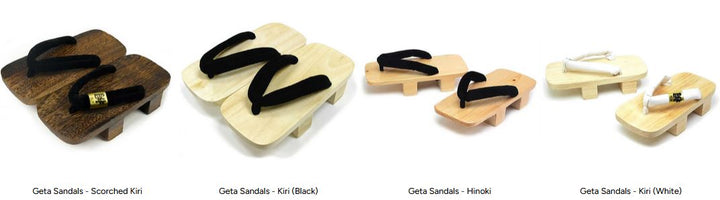
Traditionelles japanisches Schuhwerk ist nicht nur nützlich – es ist Ausdruck von Kultur, Geschichte, Mode und sogar Körperhaltung. Zu den vielen ikonischen Stilen gehören die japanischen Geta-Sandalen, Holzschuhe, die seit Jahrhunderten getragen werden und auch heute noch ein markantes Erscheinungsbild haben. Daneben bringen moderne Stile wie Tabi-Sneaker traditionelles japanisches Design in die zeitgenössische Garderobe und verbinden Erbe mit alltäglicher Funktionalität.
Im Japan Store feiern wir sowohl klassisches als auch modernes japanisches Schuhwerk. In diesem Leitfaden tauchen wir tief in die Geschichte, Stile und den modernen Reiz von Geta ein, wie sie sich mit zeitgenössischen Optionen wie Tabi-Sneakern vergleichen lassen und alles, was Sie wissen müssen, bevor Sie sie tragen oder kaufen.
Was sind japanische Geta-Sandalen?
Japanische Geta-Sandalen sind traditionelle Holzschuhe, die seit über einem Jahrtausend Teil der japanischen Garderobe sind. Sie sehen aus wie erhöhte Flip-Flops, mit einer Holzbasis und Stoffriemen, aber ihre charakteristisch erhöhte Plattform und ihre kulturellen Wurzeln heben sie von typischen Sandalen ab.
Hauptbestandteile von Geta
-
Dai: Die Holzplattform, auf der der Fuß ruht.
-
Ha (Zähne): Die Holzstützen, die die Sohle vom Boden abheben.
- Hanao: Der Stoffriemen, der zwischen großem Zeh und zweitem Zeh sitzt.
Diese Komponenten machen japanische Geta-Sandalen erkennbar und traditionell funktional.
Das erhöhte Design diente ursprünglich einem praktischen Zweck – die Füße beim Gehen im Freien über Schlamm, Dreck, Regenwasser und Matsch zu halten. Das bedeutete, dass Kimono-Säume länger sauber blieben, ein großer Vorteil im historischen Japan.
Eine kurze Geschichte der japanischen Geta-Sandalen

Geta sind zusammen mit einigen der einflussreichsten kulturellen Kleidungsstücke durch die japanische Geschichte gewandert. Sie waren einst Alltagsschuhe für Menschen aller Klassen, von Bauern, die durch schlammige Felder gingen, bis hin zu Persönlichkeiten der High Society und darstellenden Künstlern. Ihre Präsenz bei Festen, Ritualen und im täglichen Leben trug dazu bei, ihre Rolle in der japanischen Mode zu festigen.
Mit der Zeit wurden westliche Schuhstile häufiger, und der alltägliche Gebrauch von Geta nahm ab – aber sie verschwanden nie ganz. Heute werden japanische Geta-Sandalen bei Zeremonien, Festen, um Schreine herum oder zu traditionellen Outfits wie Yukata und Kimono getragen.
Verschiedene Arten von japanischen Geta-Sandalen
Geta gibt es in verschiedenen Stilen, und jeder hat seine eigene Funktion, sein Aussehen und seine kulturelle Bedeutung. Hier sind einige der bekanntesten Typen:
Koma Geta: Klassischer Look
- Der häufigste Stil mit zwei Holzzähnen.
- Wird normalerweise mit Yukata während Sommerfesten getragen.
- Die geschwungene Form unterscheidet oft Männer- und Frauenversionen.
Senryou Geta (Nomeri Geta)
- Verfügt über einen schrägen Vorderzahn für leichteres Gehen.
- Entwickelt, um vom ersten Tragen an bequem zu sein.
Tengu Geta
- Einzelner Mittelzahn – erfordert Gleichgewicht und wird oft von Darstellern verwendet.
- Historisch mit traditionellen Schauspielern verbunden.
Ukon Geta
- Eine moderne Adaption mit niedrigerem Profil und keilförmiger Sohle.
- Leichter zu gehen und bei jüngeren Trägern beliebt.
Pokkuri oder Okobo Geta
- Solide Blockplattform-Sandale, oft bei Maiko (Geisha-Lehrlingen) zu sehen.
- Die Form hilft, Schmutz zu vermeiden und Kimonos sauber zu halten.
Jeder Typ hat seine eigene Präsenz und seinen eigenen Zweck – von der zeremoniellen Eleganz von Pokkuri bis zur alltäglichen Praktikabilität von Kusa Geta.
Wie trägt man japanische Geta-Sandalen?

Das richtige Tragen von Geta ist eine Fähigkeit, die Übung erfordert. Im Gegensatz zu modernen Sandalen sind sie so konzipiert, dass sie bei jedem Schritt leicht angehoben werden, was eine natürliche Haltung und Balance fördert.
Tipps zum eleganten Tragen von Geta
-
Füße richtig positionieren: Ihre Ferse sollte leicht über die Rückseite der Sohle hinausragen.
-
Zehennägel sanft verwenden: Der Stoffriemen (Hanao) sitzt zwischen dem großen Zeh und dem nächsten Zeh – balancieren Sie Ihren Gang aus, um ein Ausrutschen zu vermeiden.
- Mit traditioneller Kleidung kombinieren: Geta werden oft mit Yukata, Kimono oder leichterer Sommerkleidung getragen.
Einige Träger bevorzugen Tabi-Socken zu Geta, besonders bei kälterem Wetter oder aus Komfortgründen, obwohl Geta in den Sommermonaten gerne barfuß getragen werden können.
Wie sich japanische Geta-Sandalen von modernem Schuhwerk unterscheiden?
Traditionelle japanische Geta-Sandalen haben eine einzigartige Silhouette und Funktion, die sich erheblich von zeitgenössischem Schuhwerk wie Sneakern unterscheiden. Aber die Welt der japanischen Schuhe umfasst auch Tabi-Sneaker, die traditionelles Design mit moderner Leistung verbinden.
Was sind Tabi-Sneaker?
Tabi-Sneaker sind zeitgenössisches Schuhwerk, das vom traditionellen geteilten Zehendesign der japanischen Tabi-Socken inspiriert ist. Sie weisen oft eine Spalte zwischen dem großen Zeh und den anderen Zehen auf, was ein unverwechselbares Aussehen und eine einzigartige Fußbeweglichkeit bietet.
Das ursprüngliche Tabi-Design stammt aus Jahrhunderten als Socke, die zwischen die Riemen von Sandalen wie Zori und Geta passt, und entwickelte sich zu Outdoor-Schuhwerk mit Gummisohlen und modernen Sneaker-Interpretationen.
Hauptmerkmale von Tabi-Sneakern

- Geteiltes Zehendesign: Trennt den großen Zeh für besseren Halt und natürliche Bewegung.
- Moderne Materialien: Leichte, atmungsaktive Stoffe und flexible Sohlen.
- Vielseitigkeit: Perfekt für Freizeitkleidung, urbanes Gehen und alltäglichen Komfort.
Die Popularität von Tabi-Sneakern zeigt, wie traditionelles Design zeitgenössische Schuhwerkstrends beeinflussen kann. Viele Stile bewahren das barfußinspirierte Gefühl und fügen gleichzeitig Komforttechnologie für den urbanen Lebensstil hinzu.
Vorteile des Tragens japanischer Geta-Sandalen
Obwohl Geta im Vergleich zu modernen Schuhen ungewöhnlich aussehen mögen, bieten sie mehrere Vorteile:
1. Verbesserte Haltung
Die erhöhte Basis fördert eine aufrechte Haltung und Balance.
2. Fußkraft
Das Gehen in Geta kann Ihre Fußmuskulatur stimulieren und die Durchblutung verbessern.
3. Kultureller Ausdruck
Das Tragen japanischer Geta-Sandalen hilft, das japanische Erbe zu feiern und sich damit zu verbinden.
4. Atmungsaktives Design
Ihre Holzkonstruktion und ihr offener Stil verbessern die Luftzirkulation – ideal in feuchtem Klima.
5. Vielseitigkeit mit traditioneller Kleidung
Geta verschönert traditionelle Outfits wie Yukata oder Kimono und vervollständigt den authentischen kulturellen Look.
Während modernes Schuhwerk oft auf Dämpfung und Hightech-Merkmale Wert legt, bleibt die Einfachheit von Geta für Liebhaber von Tradition, Kultur und minimalistischem Design überzeugend.
Styling-Tipps: Geta mit modernen Outfits kombinieren
Obwohl japanische Geta-Sandalen traditionell mit kultureller Kleidung getragen werden, können sie auch in modernen Outfits glänzen:
- Kombinieren Sie sie mit Leinenhosen und einem lässigen Hemd für einen sommerlichen Street-Look.
- Kombinieren Sie sie mit einem Kimono oder Yukata während Festivals.
- Fügen Sie gemusterte Tabi-Socken unter Geta hinzu, um traditionelle und zeitgenössische Stile zu verbinden.
- Kombinieren Sie sie mit fließenden Kleidern für eine Fusion-Ästhetik.
Diese Styling-Entscheidungen umfassen den rustikalen Charme von Geta, während Ihr Look frisch und vielseitig bleibt.
Pflege Ihrer japanischen Geta-Sandalen
Um Ihre Geta jahrelang zu erhalten:
- Trocken lagern: Bewahren Sie sie an einem kühlen, trockenen Ort auf, um Holzverzug zu vermeiden.
- Abwischen: Verwenden Sie ein feuchtes Tuch, um Schmutz oder Staub zu entfernen.
- Riemen überprüfen: Passen Sie die Hanao-Riemen an und ersetzen Sie sie bei Verschleiß.
- Längeren Regen vermeiden: Holz kann bei längerem Durchnässen quellen.
Mit der richtigen Pflege können Ihre japanischen Geta-Sandalen sowohl funktionelles Schuhwerk als auch dauerhafte kulturelle Artefakte sein.
Fazit
Japanische Geta-Sandalen repräsentieren eine einzigartige Mischung aus Tradition, Funktion und kulturellem Ausdruck. Von ihren historischen Wurzeln, die durch schlammige Pfade navigierten, bis zu ihrer modernen Rolle in Mode und Kulturfesten bleiben Geta faszinierende und tragbare Kulturgüter. Gleichzeitig zeigen Tabi-Sneaker, wie traditionelles japanisches Design zeitgenössisches Schuhwerk beeinflusst hat und Erbe mit alltäglichem Komfort verbindet.
Im Japan Store feiern wir diese Stile und machen authentisches japanisches Schuhwerk Kunden weltweit zugänglich. Ob Sie sich von der Geschichte der Geta oder der Vielseitigkeit der Tabi-Sneaker angezogen fühlen, die Erkundung traditionellen und modernen japanischen Schuhwerks ist eine Reise in Kultur, Komfort und Stil.
Häufig gestellte Fragen
F1. Was macht japanische Geta-Sandalen einzigartig?
Japanische Geta-Sandalen sind erhöhte Holzschuhe mit Stoffriemen und „Zähnen“, die die Sohle vom Boden abheben – traditionell werden sie
mit kulturellen Outfits wie Yukata und Kimono getragen.
F2. Können Geta mit moderner Kleidung getragen werden?
Ja! Viele Menschen kombinieren japanische Geta-Sandalen mit lässigen oder Fusions-Outfits für einen einzigartigen, kulturell geprägten Stil.
F3. Was sind Tabi-Sneaker?
Tabi-Sneaker sind moderne Schuhe, die vom traditionellen geteilten Zehen-Jama-Socken-Design inspiriert sind und einen geteilten großen Zeh und zeitgemäße Komfortmaterialien aufweisen.
F4. Muss man Socken zu Geta tragen?
Nicht unbedingt. Geta können im Sommer barfuß getragen werden, aber Tabi-Socken erhöhen den Komfort und Stil, besonders bei kühlerem Wetter.
F5. Sind Tabu-Sneaker für den Alltag geeignet?
Ja! Tabi-Sneaker bieten Komfort, Atmungsaktivität und Gleichgewicht, wodurch sie ideal für den täglichen Stadtbummel und ungezwungene Anlässe sind.
F6. Wo finde ich authentische Geta und Tabi-Sneaker?
Der Japan Store bietet kuratierte Kollektionen traditioneller und moderner japanischer Schuhe, einschließlich japanischer Geta-Sandalen und Tabi-Sneaker, mit weltweitem Versand.
Sie können uns folgen, um die neuesten Beiträge auf Pinterest, Instagram und Facebook zu erhalten.


