
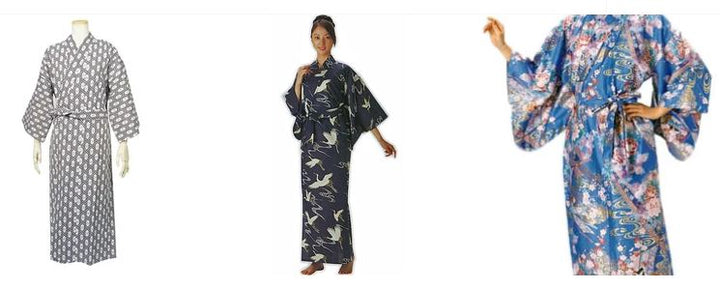
Japanese traditional clothing has a special charm that modern fashion rarely manages to reproduce. The colours, patterns, fabrics and careful construction all carry a sense of history. Among the most recognizable garments are the yukata and kimono. Although they may look similar at first glance, they are designed for different occasions, seasons and levels of formality.
For someone discovering Japanese clothing for the first time, choosing between a yukata and a kimono can be confusing. Is one more comfortable? Which one should you wear in summer? Can either be worn casually? And what accessories complete the look?
The good news is that you do not need to be an expert in Japanese dress to make the right choice.
This guide explains the differences between yukata and kimono, when each is traditionally worn, how they feel to wear, and what to consider before buying one. At Japan Store, exploring traditional Japanese apparel is also a way to appreciate the craftsmanship and cultural character behind these garments.
What Are Yukata and Kimono?
The easiest way to understand yukata and kimono is to think about their traditional role.
A kimono is a formal or semi-formal Japanese garment with a long history. Depending on its material, pattern, colour, construction and accessories, a kimono can be suitable for anything from everyday use to highly formal ceremonies.
A yukata, on the other hand, is a lighter and more relaxed garment. It is strongly associated with summer and warm-weather occasions. Yukata are commonly seen at Japanese festivals, fireworks events and traditional summer gatherings.
Both garments have a distinctive T-shaped design and are wrapped around the body, with the left side normally placed over the right side when worn by living people.
However, the similarities largely end there.
Yukata and Kimono: What Is the Main Difference?
The biggest differences between yukata and kimono come down to fabric, construction, formality, season and occasion.
Yukata

A traditional yukata is generally:
- Lightweight and breathable
- Commonly made from cotton
- Designed for warm weather
- Less formal than a kimono
- Often worn at summer festivals and fireworks displays
- Easier to wear and maintain
- Usually styled with fewer layers
The relaxed nature of the yukata makes it particularly appealing to people who want to experience traditional Japanese clothing without the complexity of formal kimono dressing.
Kimono

A traditional kimono is generally:
- More structured and formal
- Made from materials such as silk, wool, cotton or synthetic fabrics, depending on the style
- Available in different levels of formality
- Often worn with several coordinating accessories
- Associated with ceremonies, celebrations and special occasions
- More dependent on seasonal and social conventions
The result is a garment that can feel much more ceremonial and elaborate.
Yukata and Kimono: How Are the Fabrics Different?
Fabric is one of the clearest practical differences between yukata and kimono.
Yukata are particularly suited to summer because lightweight cotton allows air to move more easily around the body. This matters when you are attending an outdoor festival or walking through a crowded summer evening event.
Kimono can be made from a much broader range of fabrics. Silk is particularly associated with elegant and formal kimono, while other materials are used for different purposes and price points.
This does not mean every kimono is heavy or every yukata is extremely thin. Modern Japanese garments can vary considerably. Instead, the distinction is best understood as a traditional guideline: yukata generally prioritise lightweight comfort, while kimono offer a wider range of fabrics and formal styles.
Yukata and Kimono: When Should You Wear Each One?
Choosing between yukata and kimono becomes much easier when you start with the occasion.
A yukata is an excellent choice for:
- Summer festivals
- Fireworks displays
- Bon odori events
- Casual cultural gatherings
- Warm-weather celebrations
- Traditional Japanese-style stays
- Relaxed summer occasions
Imagine walking through a Japanese festival as lanterns glow above the streets, food stalls fill the air with tempting aromas and fireworks are about to begin. A colourful yukata fits naturally into that atmosphere.
A kimono is more appropriate when the occasion calls for greater formality, depending on the specific kimono style.
Examples can include:
- Weddings
- Tea ceremonies
- Formal celebrations
- Traditional ceremonies
- Coming-of-age celebrations
- Cultural events
- Other special occasions
The important point is that "kimono" is not one single style. Different kimono types have different levels of formality.
Yukata and Kimono: Why Is Yukata More Casual?
The casual character of the yukata is one of the reasons it has remained popular.
Historically, yukata developed from garments associated with bathing and later became common as informal summer clothing. Over time, the garment evolved into the colourful festival wear many people recognise today.
Compared with formal kimono dressing, a yukata typically requires fewer layers and accessories. This makes it much less intimidating for first-time wearers.
For modern shoppers, that simplicity can be a major advantage.
You can enjoy:
- Easier dressing
- Lightweight comfort
- Colourful traditional patterns
- A relaxed silhouette
- Fewer accessories
- Better suitability for warm weather
For anyone buying Japanese traditional clothing for the first time, a yukata can therefore be an approachable starting point.
Yukata and Kimono: Which One Is More Comfortable?
Comfort depends on the garment, fabric, fit and weather, but in warm conditions, yukata generally has the advantage.
Its lightweight construction makes it suitable for summer temperatures. Cotton also provides a familiar, breathable feel that many people find comfortable.
A kimono may require additional layers depending on the style and occasion. Formal kimono dressing can also involve an obi and other accessories that create a more structured outfit.
That structure is part of the beauty of a kimono, but it is not always what you want when you are simply looking for relaxed traditional clothing.
If comfort is your first priority, particularly during summer, a yukata is usually the more practical option.
Yukata and Kimono: How Do Their Patterns and Designs Differ?

One of the most enjoyable parts of choosing between yukata and kimono is exploring the artwork.
Japanese clothing frequently incorporates motifs inspired by nature and the changing seasons.
You may see designs featuring:
- Cherry blossoms
- Chrysanthemums
- Maple leaves
- Plum blossoms
- Fans
- Waves
- Birds
- Geometric patterns
- Traditional Japanese flowers
Yukata often embrace bright, expressive designs that work beautifully for summer occasions. Floral prints, bold colours and playful patterns are particularly popular.
Kimono designs can range from understated and elegant to extraordinarily detailed. The pattern, colour and placement may communicate something about the season, occasion or level of formality.
This makes selecting a traditional Japanese garment more personal than simply choosing a colour you like.
Yukata and Kimono: What About the Obi?
The obi is the wide sash used to secure and style traditional Japanese garments.
Both yukata and kimono can be worn with an obi, but the style and formality of the obi can differ.
Yukata are commonly paired with simpler obi styles that complement their casual nature. Kimono may be worn with more elaborate obi and additional accessories, particularly for formal occasions.
The obi is not merely functional. It contributes significantly to the overall appearance of the outfit.
A beautifully coordinated obi can transform a simple garment into a complete traditional Japanese look.
Yukata and Kimono: Which One Should You Choose?
There is no universal winner between yukata and kimono. The right choice depends on what you want from the garment.
Choose a yukata if you:
- Want lightweight summer clothing
- Prefer a relaxed traditional style
- Are attending a Japanese summer festival
- Want something relatively easy to wear
- Love colourful Japanese patterns
- Are new to traditional Japanese apparel
- Want a comfortable cultural-inspired outfit
Choose a kimono if you:
- Need a more formal traditional garment
- Are attending an appropriate formal or cultural event
- Appreciate detailed craftsmanship
- Want a more structured traditional appearance
- Are interested in different levels of Japanese dress formality
- Enjoy building a complete traditional outfit with accessories
Think about the occasion first, then consider the fabric, design and level of formality.
Yukata and Kimono: What Should You Check Before Buying?
Buying traditional Japanese clothing online can be exciting, but it is worth looking beyond the appearance.
Before choosing between yukata and kimono, consider these factors:
1. Fabric
Check the material and think about where and when you plan to wear the garment. Lightweight cotton can be particularly comfortable for summer.
2. Size and Measurements
Traditional Japanese garments can fit differently from Western clothing. Always check the listed measurements rather than relying only on your usual clothing size.
3. Occasion
A beautiful garment is not necessarily suitable for every event. Decide whether you need casual summer wear or something more formal.
4. Pattern
Choose a design that genuinely appeals to you. Japanese motifs often have cultural and seasonal associations, making the pattern an important part of the garment's character.
5. Accessories
Consider whether the garment comes with or requires an obi, belt, footwear or other accessories. A complete outfit can look considerably more polished.
6. Care Requirements
Always check washing and storage instructions. Some traditional fabrics require more careful treatment than everyday clothing.
Yukata and Kimono: Why Do They Still Matter Today?
Traditional clothing does not survive simply because it looks old-fashioned. It survives when people continue to find meaning, beauty and enjoyment in it.
That is one reason yukata and kimono remain relevant.
People wear them to celebrate festivals, participate in cultural events, mark important life moments and connect with Japanese traditions. Others simply appreciate the artistry and want to bring a small piece of Japanese culture into their wardrobe or collection.
For international shoppers, traditional Japanese apparel also offers an opportunity to appreciate details that can easily be missed in photographs: the relationship between pattern and season, the way a garment is wrapped, and how accessories complete the silhouette.
Japan Store makes it easier for customers interested in Traditional Japanese Products to explore apparel alongside other Japanese products, from footwear and accessories to toys, games, interior items and food.
Yukata and Kimono: A Simple Comparison
If you are still unsure, this quick comparison can help:
|
Feature |
Yukata |
Kimono |
|
Typical use |
Casual and summer occasions |
Casual through highly formal occasions, depending on style |
|
Fabric |
Often lightweight cotton |
Cotton, silk, wool and synthetic fabrics |
|
Season |
Particularly popular in summer |
Varies by fabric and style |
|
Formality |
Generally casual |
Varies from casual to formal |
|
Layers |
Usually fewer |
May involve multiple layers |
|
Accessories |
Generally simpler |
Can be more elaborate |
|
Comfort in hot weather |
Generally excellent |
Depends on fabric and layering |
|
Best for beginners |
Often easier |
Can require more knowledge and styling |
Conclusion: Yukata and Kimono Are Different, but Both Tell a Story
Understanding the difference between yukata and kimono does not mean choosing one and ignoring the other. Each garment represents a different side of Japanese traditional clothing.
A yukata is light, relaxed and closely connected with the atmosphere of summer festivals and warm-weather celebrations. A kimono offers a much broader world of styles, fabrics and levels of formality, making it suitable for everything from elegant cultural occasions to specific everyday traditions.
If you want something comfortable and casual for summer, a yukata may be the natural choice. If you are looking for a more formal or richly detailed traditional garment, a kimono may be better suited to your needs.
Most importantly, choose with the occasion, fabric, fit and cultural context in mind. When selected thoughtfully, both garments offer more than beautiful clothing—they provide a meaningful connection to Japanese tradition.
FAQs About Yukata and Kimono
1. What is the main difference between yukata and kimono?
The main difference is their traditional level of formality, fabric and typical use. Yukata are generally lightweight, casual summer garments, while kimono encompass a wider range of formal and informal Japanese traditional clothing.
2. Can you wear a yukata like a kimono?
A yukata is worn using a similar basic wrapping method, but it is not simply a casual version of every type of kimono. Yukata have their own styling traditions and are generally associated with warmer weather and less formal occasions.
3. Is a yukata suitable for summer?
Yes. Yukata are particularly associated with summer because they are commonly made from lightweight, breathable materials and are traditionally worn at festivals, fireworks events and other warm-weather occasions.
4. Can men wear yukata?
Absolutely. Yukata are available for both men and women. Men's designs often use different colours, patterns and styling conventions while retaining the fundamental structure of the garment.
5. Can you wear a kimono casually?
Some kimono styles can be worn in less formal settings, but the suitability depends on the particular type of kimono, fabric, pattern and occasion.
Additionally, if you’d like to stay updated on our latest posts, follow us on Facebook, Pinterest, Instagram and X .


