
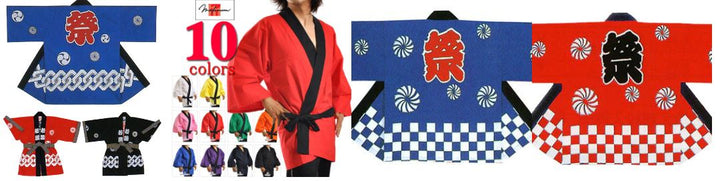
Japanese fashion has captivated people around the world for centuries. Rich in symbolism, craftsmanship, and cultural heritage, traditional Japanese garments tell stories that extend far beyond style alone. Among the most recognizable pieces are the kimono and the Japanese happi coat. While both are deeply rooted in Japanese culture, they serve very different purposes and offer distinct experiences for the wearer.
For those new to Japanese clothing, it is common to confuse the two. After all, both garments feature traditional patterns, loose silhouettes, and a strong connection to Japanese history. However, once you understand their origins, uses, and styling possibilities, the differences become clear.
Whether you're interested in Japanese culture, searching for authentic Japanese apparel, or considering adding a traditional garment to your wardrobe, understanding the distinction between a kimono and a happi coat can help you make the right choice.
At Japan Store, customers can explore authentic Japanese-inspired fashion and accessories that celebrate both traditional craftsmanship and modern Japanese style.
Understanding the Japanese Happi Coat
A Japanese happi coat is a lightweight traditional jacket that originated as practical clothing for workers, merchants, and festival participants.
Unlike formal Japanese garments, happi coats were designed for everyday functionality. They are typically:
- Lightweight
- Easy to wear
- Comfortable
- Open-fronted
- Decorated with traditional Japanese symbols
Historically, businesses, guilds, and communities used happi coats to identify members of their organization. Large Japanese characters, family crests, or symbolic artwork often appeared on the back of the garment.
Today, happi coats remain popular for:
- Japanese festivals
- Cultural celebrations
- Casual fashion
- Streetwear styling
- Cosplay events
- Collecting traditional Japanese apparel
Their simplicity and versatility have helped them remain relevant for generations.
Understanding the Kimono
The kimono is one of Japan's most iconic traditional garments.
Unlike a Japanese happi coat, a kimono is a full-length robe that wraps around the body and is secured with an obi belt.
Traditionally, kimonos are worn during:
- Weddings
- Tea ceremonies
- Formal celebrations
- Coming-of-age ceremonies
- Cultural events
Kimono designs often feature intricate artwork, seasonal motifs, and luxurious fabrics that reflect the wearer's status, age, or the occasion being celebrated.
Because of their formality and complexity, kimonos require specific dressing techniques and accessories.
For many people, the kimono represents the pinnacle of traditional Japanese elegance.
Japanese Happi Coat vs Kimono: Key Differences

While both garments belong to Japanese cultural heritage, they differ significantly in purpose, construction, and styling.
Japanese Happi Coat vs Kimono: Design and Structure
One of the easiest ways to distinguish the two garments is by their overall design.
Japanese Happi Coat
- Short jacket-style garment
- Usually reaches the hips or thighs
- Worn open or loosely tied
- Lightweight and breathable
- Simple construction
Kimono
- Full-length robe
- Wrap-around design
- Secured with an obi belt
- Multiple layers may be involved
- More structured and formal
The happi coat prioritizes practicality, while the kimono emphasizes ceremony and tradition.
Japanese Happi Coat vs Kimono: Purpose and Function
The original purpose of each garment highlights another important distinction.
Japanese Happi Coat
Historically used by:
- Merchants
- Festival participants
- Firefighters
- Community groups
- Workers
The garment served as both practical clothing and a symbol of identity.
Kimono
Historically used for:
- Formal occasions
- Family celebrations
- Cultural ceremonies
- Traditional gatherings
The kimono was designed to communicate elegance, social status, and cultural refinement.
In modern Japan, these traditional roles continue to influence how each garment is worn.
Why Japanese Happi Coats Are Easier for Everyday Wear?
For people interested in incorporating Japanese fashion into their daily lives, happi coats are often the more practical choice.
Unlike kimono, happi coats require very little preparation.
You can simply:
- Put them on over a T-shirt
- Layer them with jeans
- Pair them with sneakers
- Wear them casually throughout the day
Their lightweight construction makes them particularly appealing for people who want to enjoy Japanese-inspired fashion without the complexity of formal traditional clothing.
This accessibility is one reason happi coats have gained popularity internationally.
Japanese Happi Coat Fashion in Modern Streetwear
One of the most exciting developments in recent years has been the integration of the Japanese happi coat into contemporary fashion.
Japanese designers have long excelled at blending tradition with innovation. The happi coat fits naturally into modern streetwear because it offers:
- Relaxed styling
- Lightweight layering
- Unique visual appeal
- Strong cultural identity
Fashion enthusiasts often style happi coats with:
- Oversized T-shirts
- Wide-leg trousers
- Denim
- Sneakers
- Minimalist outfits
The result feels modern while still honoring Japanese tradition.
Why Happi Coats Appeal to International Fashion Lovers?
Many people discover Japanese fashion through anime, travel, or cultural events. Once they begin exploring traditional garments, happi coats often become their first purchase.
Why?
Because happi coats offer a balance of authenticity and wearability.
They allow people to:
- Express appreciation for Japanese culture
- Wear traditional-inspired fashion comfortably
- Stand out from mainstream trends
- Add artistic elements to their wardrobe
Unlike highly formal garments, happi coats feel approachable and versatile.
Japanese Happi Coat vs Kimono: Which Is Better for Beginners?
If you're new to Japanese fashion, the answer largely depends on your goals.
Choose a Japanese Happi Coat If You Want:
- Casual everyday wear
- Easy styling options
- Lightweight comfort
- Streetwear versatility
- A practical introduction to Japanese fashion
Choose a Kimono If You Want:
- Formal traditional attire
- Cultural authenticity for ceremonies
- Elegant presentation
- Historical significance
For most beginners, the Japanese happi coat offers a more accessible starting point.
It provides a connection to Japanese culture without requiring extensive knowledge of traditional dressing techniques.
Cultural Significance of Happi Coats in Japan

While happi coats are often viewed as casual garments today, they hold deep cultural meaning.
Throughout Japanese history, they have symbolized:
- Community identity
- Team spirit
- Festival participation
- Local pride
- Cultural continuity
Many festivals across Japan still feature groups wearing matching happi coats adorned with distinctive symbols and colors.
This tradition creates a sense of belonging and shared celebration that remains an important part of Japanese culture.
How to Style a Japanese Happi Coat Today?
One of the reasons happi coats continue growing in popularity is their versatility.
Casual Japanese Happi Coat Styling
Pair your happi coat with:
- Plain white T-shirt
- Slim jeans
- Casual sneakers
This creates an effortless everyday look.
Modern Streetwear with Happi Coats
Combine:
- Oversized trousers
- Graphic T-shirt
- Minimal sneakers
- Patterned happi coat
The coat becomes the statement piece of the outfit.
Cultural Event Styling
For festivals or Japanese-themed events, a happi coat can be paired with:
- Traditional footwear
- Relaxed pants
- Japanese accessories
This approach highlights the garment's cultural roots while remaining comfortable.
Why Authentic Happi Coats Matter?
As Japanese-inspired fashion becomes more popular globally, many imitation products have entered the market.
Authentic happi coats stand out because they reflect:
- Traditional design principles
- Quality craftsmanship
- Cultural symbolism
- Better materials
- Greater attention to detail
Purchasing from trusted Japanese-focused retailers helps ensure a more authentic experience.
At Japan Store, customers can discover carefully selected Japanese-inspired products that celebrate both tradition and contemporary style.
The Growing Popularity of the Japanese Happi Coat
The global rise of Japanese fashion has introduced many people to traditional garments they might otherwise never have encountered.
The Japanese happi coat has benefited from this growing interest because it offers something unique:
- Cultural heritage
- Everyday practicality
- Artistic design
- Fashion versatility
In a world increasingly dominated by fast fashion, garments with genuine stories and traditions stand out.
That authenticity continues to attract fashion enthusiasts from around the globe.
Conclusion
When comparing a kimono and a Japanese happi coat, it quickly becomes clear that both garments play important but very different roles within Japanese culture.
The kimono represents formal elegance, ceremonial tradition, and timeless beauty. The happi coat, on the other hand, reflects community spirit, practicality, and everyday cultural expression.
For those looking to incorporate Japanese fashion into modern wardrobes, happi coats offer an ideal balance of authenticity, comfort, and versatility. They are easy to wear, visually striking, and deeply connected to Japanese heritage.
Whether you're attending a cultural event, exploring Japanese fashion, or simply searching for a unique statement piece, a happi coat provides a meaningful way to celebrate one of Japan's most enduring traditions.
FAQs
What is a Japanese happi coat?
A Japanese happi coat is a traditional lightweight jacket originally worn by workers, merchants, and festival participants. Today, it is popular for cultural events and casual fashion.
What is the main difference between a Japanese happi coat and a kimono?
A happi coat is a short, lightweight jacket designed for casual wear, while a kimono is a full-length formal robe worn for ceremonies and special occasions.
Are happi coats easier to wear than kimono?
Yes. Happi coats are much simpler to wear and require no special dressing techniques or accessories.
Can you wear a Japanese happi coat casually?
Absolutely. Many people wear happi coats with jeans, sneakers, and modern streetwear outfits.
Are happi coats still worn in Japan today?
Yes. Happi coats remain popular during festivals, cultural celebrations, community events, and increasingly as fashionable casual outerwear.
Where can I buy authentic happi coats?
Japan Store offers a collection of Japanese-inspired apparel and accessories, including traditional and modern happi coat designs inspired by Japanese culture.
Additionally, if you’d like to stay updated on our latest posts, follow us on Facebook, Pinterest, Instagram and X .


