

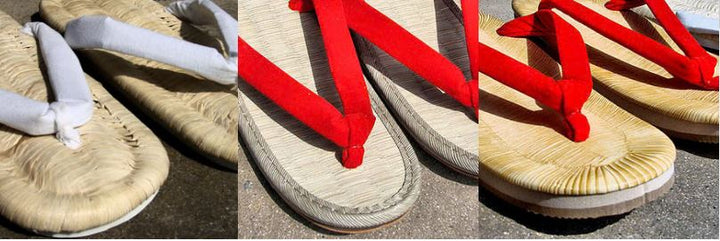
Japanese footwear has a special way of combining simplicity, comfort, and cultural beauty. Among the many traditional styles that have remained popular for generations, Zori Japanese sandals hold a particularly meaningful place. Recognized for their distinctive shape, lightweight construction, and elegant appearance, these sandals represent more than just everyday footwear. They reflect Japan's appreciation for craftsmanship, practicality, and thoughtful design.
Whether you are interested in traditional Japanese clothing, exploring Japanese fashion, or simply looking for something different from modern footwear, zori sandals offer a refreshing alternative. Their timeless design makes them suitable for people who appreciate cultural traditions as much as personal style.
Today, traditional Japanese footwear continues to attract attention from people around the world. From pairing zori with a beautiful kimono to incorporating them into relaxed everyday outfits, these sandals bring a distinctive Japanese touch to different occasions.
For anyone interested in discovering authentic Japanese products, Japan Store provides an opportunity to explore traditional Japanese culture through clothing, footwear, accessories, and other carefully selected products.
Let's take a closer look at the history, design, benefits, and enduring appeal of traditional zori sandals.
What Are Zori Japanese Sandals?
Zori Japanese sandals are traditional Japanese footwear characterized by a flat or slightly raised sole and straps that pass between the toes. Their construction is somewhat similar to flip-flops, but traditional zori have their own distinctive appearance, materials, and cultural significance.
Historically, zori were worn by Japanese men and women as practical footwear for everyday activities and formal occasions. Their simple structure made them easy to put on and remove, which was particularly convenient in Japanese households and traditional environments where shoes are removed before entering indoor spaces.
Traditional zori have been made using different materials, including:
- Rice straw and woven plant fibers.
- Leather and synthetic materials.
- Fabric-covered soles.
- Rubber and modern lightweight materials.
- Decorative textiles for more formal designs.
The combination of functionality and understated elegance makes zori an interesting example of how traditional Japanese design continues to influence contemporary fashion.
Unlike many modern shoes that prioritize elaborate construction, zori demonstrate how a relatively simple design can remain attractive and useful across generations.
The Fascinating History Behind Zori Japanese Sandals

To understand why Zori Japanese sandals remain culturally significant, it helps to explore their historical background.
Traditional Japanese footwear developed over centuries, influenced by climate, lifestyle, available materials, and social customs. Zori became an important part of Japanese daily life because they were practical, relatively lightweight, and easy to wear.
Early versions were often produced using natural materials such as straw. These materials were readily available and suitable for creating functional footwear.
Over time, zori evolved in both construction and appearance. Different materials, colors, and decorative details emerged, allowing people to choose footwear appropriate for different occasions.
Some important aspects of their historical development include:
1. Everyday practicality
Traditional zori were designed for regular use. Their lightweight construction made walking more convenient, while their simple structure allowed wearers to put them on and remove them easily.
2. Traditional Japanese clothing
Zori became closely associated with traditional Japanese garments, particularly kimono. Their elegant appearance complemented the flowing shape and distinctive silhouette of traditional clothing.
3. Cultural craftsmanship
The production of zori reflected the Japanese appreciation for careful workmanship. Materials, textures, proportions, and finishing details all contributed to their appearance.
4. Changing fashion preferences
As Japanese lifestyles changed, zori adapted. Modern versions began incorporating rubber, synthetic materials, and contemporary fabrics while maintaining the recognizable traditional silhouette.
Today, zori remain an important part of Japanese cultural fashion and are appreciated by people who enjoy traditional footwear.
What Makes Zori Japanese Sandals Different From Regular Flip-Flops?
At first glance, zori may look similar to ordinary flip-flops. Both feature open designs and a strap positioned between the toes. However, there are several differences worth understanding.
The biggest distinction comes from their cultural background, traditional materials, and styling.
|
Feature |
Traditional Zori |
Regular Flip-Flops |
|
Design |
Traditional Japanese styling |
Casual contemporary styling |
|
Sole |
Straw, fabric, rubber, or other materials |
Usually rubber or foam |
|
Appearance |
Often understated and elegant |
Generally simple and casual |
|
Cultural significance |
Associated with Japanese clothing and customs |
Primarily everyday casual footwear |
|
Styling |
Kimono, yukata, and modern outfits |
Beachwear and casual clothing |
Another important difference is how zori are traditionally worn.
Zori are commonly paired with tabi socks, which feature a separate compartment for the big toe. This combination allows the footwear to complement traditional Japanese clothing while maintaining its distinctive appearance.
Although modern flip-flops and zori share certain design characteristics, zori offer a connection to Japanese fashion and cultural heritage that ordinary casual footwear does not necessarily provide.
Popular Types of Zori Japanese Sandals
One of the most interesting things about Zori Japanese sandals is the variety of styles available. Although their basic structure remains recognizable, differences in materials, construction, and decoration make each style suitable for different preferences.
Here are some popular types worth exploring.
1. Traditional Straw Zori
Straw zori represent one of the traditional approaches to Japanese footwear.
Made using woven natural fibers, these sandals reflect the resourcefulness of traditional Japanese craftsmanship. Their natural texture gives them a distinctive rustic appearance that appeals to people interested in historical Japanese clothing and accessories.
They are particularly interesting for collectors, cultural enthusiasts, and anyone who appreciates traditional handmade products.
2. Modern Rubber Zori
Modern rubber zori combine traditional styling with contemporary materials.
Their rubber soles provide a practical alternative to traditional natural-fiber construction. Depending on the design, they may be suitable for casual everyday wear, particularly when comfort and easy maintenance are priorities.
They are also a good option for people who enjoy Japanese-inspired footwear but prefer something more contemporary.
3. Fabric Zori
Fabric zori are admired for their decorative appearance and variety of colors.
Their straps and soles may feature attractive textiles, subtle patterns, or traditional Japanese-inspired designs. These details make them particularly appealing when worn with kimono, yukata, and other traditional garments.
For people who enjoy combining cultural fashion with individual expression, fabric zori offer plenty of visual appeal.
4. Formal Japanese Zori
Formal zori are designed to complement more sophisticated traditional outfits.
They may feature elegant finishes, refined materials, and decorative details. Gold, silver, neutral, and other understated shades are common choices for formal styling.
These sandals are traditionally associated with occasions such as weddings, ceremonies, and other cultural celebrations, depending on the design and formality of the outfit.
Why Zori Japanese Sandals Remain Popular Today?

Fashion trends change constantly, but certain traditional designs continue to attract attention because of their timeless appeal.
Zori Japanese sandals are a perfect example. Their popularity comes from a combination of cultural identity, practical construction, and versatile styling.
Here are some reasons why people continue to appreciate them.
1. A Timeless and Minimalist Appearance
Japanese design often celebrates simplicity. Rather than relying on excessive decoration, traditional products frequently emphasize balance, proportion, and carefully selected details.
Zori reflect this philosophy through their clean silhouettes and uncomplicated construction.
Their appearance feels distinctive without being overly complicated, making them appealing to people who prefer understated fashion.
2. A Connection to Japanese Culture
Wearing traditional Japanese footwear can be a meaningful way to appreciate the country's history and cultural traditions.
For people interested in Japanese clothing, zori offer a practical connection to the fashion traditions that have developed over generations.
They also make interesting additions to collections of traditional Japanese accessories.
3. Lightweight Construction
Many zori designs feature relatively lightweight materials, making them easy to carry and convenient to put on.
Their open construction also provides a different experience from enclosed footwear.
However, comfort depends on the sole material, strap construction, fit, and intended use. Choosing the right size is important for a pleasant wearing experience.
4. Versatile Styling Possibilities
Although zori are traditionally associated with kimono and yukata, modern designs can complement different casual outfits.
People interested in Japanese-inspired fashion can experiment with colors, fabrics, and accessories to create distinctive combinations.
5. Appreciation for Traditional Craftsmanship
Zori represent a design tradition that has adapted without completely losing its original character.
For people who appreciate products with cultural backgrounds, this connection to traditional craftsmanship makes them particularly interesting.
How to Wear Zori Japanese Sandals With Traditional Japanese Clothing?
One of the most beautiful ways to wear Zori Japanese sandals is with traditional Japanese clothing.
Their shape and proportions complement the distinctive silhouette of kimono and yukata, creating a coordinated appearance.
Here are some styling suggestions to consider.
1. Pair zori with a traditional kimono
Zori are a classic footwear choice for kimono outfits. Choose a style that complements the garment's colors and formality.
For formal kimono, more refined zori are generally appropriate, while simpler designs may work better for relaxed occasions.
2. Wear them with a yukata
Yukata are lighter, more casual Japanese garments commonly worn during summer festivals and other relaxed occasions.
Simple zori can complement a yukata beautifully, especially when their colors coordinate with the garment.
3. Add traditional tabi socks
Tabi socks feature a split-toe design that accommodates the thong-style straps of zori.
White tabi are a classic choice, particularly with formal traditional outfits. Other colors and patterns can introduce a more individual look.
4. Coordinate colors and textures
Consider the overall appearance of your outfit rather than focusing only on the sandals.
For example:
- Neutral zori complement a colorful kimono.
- Decorative fabric zori can add character to simple outfits.
- Black or white designs offer a more understated appearance.
- Metallic finishes can complement formal clothing.
The goal is to create a balanced look where the footwear complements the rest of the outfit.
Can You Wear Zori Japanese Sandals With Modern Outfits?

Absolutely! Traditional footwear does not always need to be reserved for traditional clothing.
Modern fashion provides plenty of opportunities to incorporate Japanese-inspired accessories into everyday styling.
For example, simple zori can complement relaxed summer clothing, especially when paired with neutral colors and lightweight fabrics.
Some styling ideas include:
-
Casual trousers: Choose understated zori for a relaxed, minimalist appearance.
-
Linen clothing: Natural fabrics and traditional footwear create an effortlessly relaxed combination.
-
Summer dresses: Simple zori can complement lightweight dresses and casual outfits.
-
Japanese-inspired streetwear: Combine zori with contemporary Japanese clothing for a distinctive cultural influence.
- Minimalist outfits: Neutral sandals work particularly well with simple silhouettes and limited color palettes.
When experimenting with modern styling, pay attention to the sandal's design and intended use. Some traditional zori are specifically made for formal clothing rather than everyday walking.
How to Choose the Right Zori Japanese Sandals?
Finding the right pair involves more than selecting an attractive design. You should also consider materials, sizing, construction, and how you intend to wear them.
Here are some practical factors to remember before purchasing.
1. Consider the Material
Different materials create different appearances and wearing experiences.
- Straw offers a traditional, natural aesthetic.
- Fabric provides decorative variety.
- Rubber offers a contemporary and practical construction.
- Leather can create a more refined appearance.
Choose a material that suits your preferences and intended use.
2. Select the Appropriate Size
Proper sizing is essential for comfortable footwear.
Check the manufacturer's sizing information and compare it with your foot measurements. Traditional zori may fit differently from Western-style sandals, so avoid assuming that your usual shoe size will always provide the best fit.
3. Think About the Occasion
Consider where you plan to wear the sandals.
If you need footwear for a formal kimono outfit, choose an elegant design. For relaxed styling, simpler rubber or fabric versions may be more appropriate.
4. Examine the Straps and Sole
Pay attention to the quality of the straps, sole construction, and overall finishing.
The straps should feel secure without creating uncomfortable pressure between your toes. The sole should also suit the surface and conditions in which you intend to wear the sandals.
5. Choose a Design That Reflects Your Style
Traditional Japanese footwear comes in different colors, patterns, and finishes.
Whether you prefer something understated or decorative, select a pair that complements your clothing and personal preferences.
How to Care for Your Zori Japanese Sandals?
Taking proper care of traditional footwear helps maintain its appearance and extend its useful life.
Although care requirements vary according to the materials used, a few basic practices can make a difference.
-
Keep them clean: Remove dust and surface dirt using a suitable soft cloth or brush.
-
Avoid excessive moisture: Natural straw and fabric materials may become damaged when exposed to too much water.
-
Allow them to dry naturally: If your sandals become damp, leave them in a well-ventilated area away from direct heat.
-
Store them properly: Keep zori in a clean, dry place when they are not being used.
- Follow material-specific instructions: Always check the manufacturer's care recommendations, particularly for leather and decorative fabric designs.
Regular maintenance is especially important if you own traditional or decorative zori that you want to preserve for special occasions.
Discover Traditional Japanese Footwear and Accessories at Japan Store!
Exploring traditional Japanese products is about more than purchasing something new. It is also an opportunity to discover the craftsmanship, design traditions, and cultural influences that make Japanese products so distinctive.
Japan Store brings together a selection of traditional Japanese-inspired products for people who appreciate Japanese culture and style.
Whether you are searching for distinctive footwear, traditional apparel, accessories, or other Japanese products, exploring a specialist Japanese store makes it easier to discover items that reflect your interests.
For anyone interested in Zori Japanese sandals, Japan Store is a brand worth exploring when looking for traditional Japanese footwear and related products.
You can also discover other Japanese essentials, including:
- Traditional Japanese clothing and apparel.
- Tabi socks and Japanese footwear accessories.
- Japanese-inspired interior products.
- Traditional toys and games.
- Japanese food and specialty products.
- Cultural accessories and everyday items.
Visit the Japan Store to explore its collection and discover more products inspired by Japanese culture.
Conclusion: Experience the Timeless Appeal of Zori Japanese Sandals
Traditional Japanese footwear tells a story of practicality, cultural heritage, and thoughtful design. Zori Japanese sandals are a wonderful example of how a simple footwear style can remain relevant across generations.
From their historical connection to traditional Japanese clothing to their modern interpretations, zori continue to appeal to people who appreciate distinctive fashion and cultural craftsmanship.
Their lightweight construction, recognizable silhouette, and variety of materials make them an interesting choice for traditional outfits and selected contemporary styles.
Whether you are preparing a kimono outfit, exploring Japanese fashion, collecting traditional accessories, or simply discovering something new, zori offer a meaningful way to experience Japanese design.
With Japan Store, you can continue exploring traditional Japanese apparel, footwear, and accessories while bringing a little piece of Japanese culture into your everyday life.
Frequently Asked Questions (FAQs)
1. What are Zori Japanese sandals?
Zori are traditional Japanese sandals featuring a flat or slightly raised sole and thong-style straps that pass between the toes. They are commonly worn with kimono, yukata, and tabi socks and are available in materials such as straw, fabric, rubber, and leather.
2. Are Zori Japanese sandals the same as flip-flops?
No. Although both feature an open design and toe-post straps, zori have a distinct cultural history and are traditionally associated with Japanese clothing. They also come in different materials and decorative styles that distinguish them from ordinary flip-flops.
3. Can you wear Zori Japanese sandals with tabi socks?
Yes. Zori are traditionally worn with tabi socks, which feature a separate compartment for the big toe. This split-toe design allows the foot to fit comfortably around the sandal straps.
4. Are Zori Japanese sandals comfortable for everyday wear?
Comfort depends on the sandal's material, sole construction, strap design, and fit. Some modern rubber zori are suitable for casual use, while traditional or formal versions may be intended for specific occasions.
5. What is the difference between zori and geta?
Zori generally have flat or slightly raised soles, often made from straw, fabric, rubber, or other materials. Geta traditionally feature an elevated wooden base with supporting blocks underneath. Both are traditional Japanese footwear styles, but their construction and appearance are different.
Additionally, if you’d like to stay updated on our latest posts, follow us on Facebook, Pinterest, Instagram and X .


