
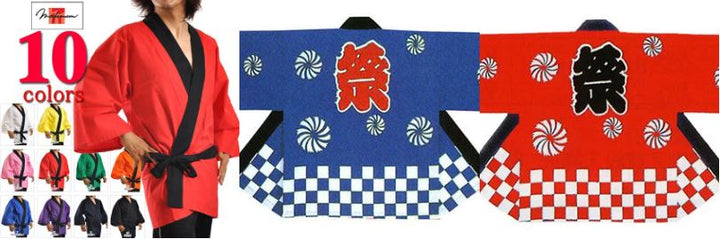
Japanese fashion has a wonderful way of bringing history and modern style together. Some traditional garments have gradually disappeared from everyday wardrobes, while others continue to attract attention across generations and cultures. The Japanese happi coat is one such garment. Recognised for its relaxed fit, distinctive designs and cultural significance, this traditional Japanese outerwear remains popular in festivals, celebrations, cultural events and contemporary fashion.
Originally associated with Japanese festivals, community gatherings and traditional occupations, happi coats have become much more than practical garments. Their bold patterns, striking colours and comfortable construction make them appealing to people who appreciate Japanese culture and distinctive clothing.
Today, international fashion enthusiasts are discovering the charm of traditional Japanese apparel through online stores such as Japan Store. Whether you are interested in Japanese heritage, looking for something different to wear or simply fascinated by traditional clothing, understanding the happi coat offers an interesting glimpse into Japan's cultural identity.
What Is a Japanese Happi Coat?
A Japanese happi coat is a traditional, loose-fitting outer garment typically worn over everyday clothing. It usually features straight sleeves, an open front and a relatively short length, making it easy to put on and comfortable to wear.
Traditionally, happi coats were made from cotton or other lightweight fabrics. They often displayed distinctive patterns, family crests, organisation symbols or Japanese lettering. These visual elements helped identify the group, business or community associated with the wearer.
Unlike more formal Japanese garments, happi coats are relatively simple and practical. They are designed for ease of movement rather than elaborate layering.
Some common characteristics include:
-
Relaxed silhouette: A loose shape that allows comfortable movement.
-
Open-front design: Usually worn without complicated fastenings.
-
Distinctive patterns: Traditional symbols, bold graphics and decorative lettering.
-
Short, straight sleeves: A practical design suited to everyday activities and celebrations.
- Lightweight construction: Many styles are comfortable enough for warmer weather.
These features make the Japanese happi coat an appealing choice for anyone who enjoys traditional clothing with a practical, wearable design.
The History Behind the Japanese Happi Coat

To understand why happi coats remain popular, it helps to explore their historical background.
Happi coats have been associated with Japanese communities, workers, shopkeepers and festival participants for centuries. Their exact development took place over time, with different styles serving different purposes.
Historically, they were particularly useful for identifying members of a particular group. Shop employees, craftsmen and other workers sometimes wore happi coats featuring their business or organisation's symbols.
During traditional Japanese festivals, known as matsuri, participants wore distinctive happi coats to represent their neighbourhoods, associations or festival groups.
These garments became an important part of the visual identity of community celebrations.
Even today, their traditional appearance creates a strong connection between modern festival participants and Japanese cultural heritage.
Why Is the Japanese Happi Coat Still Popular Today?
Traditional clothing does not always need to be redesigned to remain relevant. Sometimes, its original appeal is exactly what makes it special.
The Japanese happi coat continues to attract attention because it combines cultural meaning, comfort and visual character.
Here are some reasons behind its lasting popularity.
1. Japanese Cultural Heritage
For many people, traditional Japanese clothing represents craftsmanship, history and cultural identity.
Happi coats are particularly recognisable during Japanese festivals and community celebrations. Wearing one can create a sense of connection with the traditions and activities that have shaped Japanese society.
International visitors and Japanese culture enthusiasts also appreciate these garments as a way to explore traditional apparel beyond familiar clothing styles.
2. Comfortable and Practical Design
Comfort is another reason happi coats remain relevant.
Their relaxed construction makes them easy to wear over T-shirts, casual tops and other lightweight clothing. The open-front design also makes them convenient when changing outfits or adding an extra layer.
Depending on the fabric and construction, they can be suitable for:
- Outdoor festivals and cultural celebrations.
- Casual gatherings and themed events.
- Japanese cultural performances.
- Photography and traditional costume occasions.
- Relaxed everyday styling.
Their practical design makes them appealing to people who value comfort without compromising personal style.
3. Distinctive Japanese Patterns
Japanese happi coats are known for their striking visual details.
Traditional designs may include waves, geometric patterns, floral illustrations, kanji lettering and symbolic motifs. Some feature simple, understated designs, while others use bold colours and large decorative elements.
These patterns give each garment its own personality.
For people who enjoy Japanese-inspired fashion, the visual appeal of a happi coat offers something different from conventional jackets and cardigans.
4. Suitable for Different Generations
One of the interesting things about traditional Japanese apparel is its ability to appeal to different age groups.
Older generations may appreciate the cultural associations and familiar festival designs, while younger wearers may enjoy the relaxed silhouette and distinctive appearance.
This versatility helps the garment maintain its place in modern Japanese fashion.
Japanese Happi Coat vs Japanese Kimono: Understanding the Difference
People unfamiliar with Japanese clothing sometimes confuse happi coats with kimonos. Although both are traditional Japanese garments, they have different designs and purposes.
A kimono is a more structured traditional garment featuring long sleeves, overlapping front panels and a sash known as an obi. It is associated with various formal, ceremonial and everyday traditional settings.
A happi coat, on the other hand, is generally simpler and more casual.
Here are some important differences:
|
Feature |
Japanese Happi Coat |
Japanese Kimono |
|
Design |
Short, open-front outerwear |
Wrap-style traditional garment |
|
Sleeves |
Usually shorter and straighter |
Often longer and wider |
|
Fastening |
Generally worn open |
Secured with an obi |
|
Common occasions |
Festivals and community events |
Ceremonies and cultural occasions |
|
Styling |
Usually worn over other clothing |
Often styled with traditional accessories |
Both garments represent important aspects of Japanese clothing culture, but they serve different purposes.
If you prefer something relaxed and easy to style, a happi coat may be a more practical starting point.
Different Occasions to Wear a Japanese Happi Coat

Although happi coats have strong connections to traditional festivals, their use is not limited to one particular occasion.
Their simple construction and recognisable designs make them suitable for various cultural and social settings.
Japanese Festivals and Matsuri Celebrations
Festivals remain one of the most traditional settings for wearing happi coats.
During matsuri celebrations, participants often wear matching garments representing their neighbourhood, organisation or festival group.
The colourful designs create a sense of unity while adding to the festive atmosphere.
Cultural Events and Performances
Happi coats are also popular at Japanese cultural exhibitions, traditional performances and international cultural celebrations.
They help performers and participants express an appreciation for Japanese heritage while creating an authentic visual experience.
Cosplay and Themed Gatherings
Japanese-inspired clothing has a strong presence in cosplay communities and themed events.
A happi coat can be an interesting addition to an outfit inspired by Japanese festivals, traditional characters or historical settings.
Casual Japanese-Inspired Fashion
Some modern fashion enthusiasts enjoy incorporating traditional Japanese garments into everyday outfits.
A happi coat can be layered over a plain T-shirt with comfortable trousers and simple footwear for a relaxed, distinctive look.
The key is to let the garment stand out rather than overcomplicating the outfit.
How to Style a Japanese Happi Coat in Modern Fashion?
You do not need to attend a Japanese festival to enjoy wearing traditional Japanese clothing. With a little thought, a happi coat can become an interesting part of a contemporary wardrobe.
Here are some styling ideas worth exploring.
1. Keep It Simple with Everyday Clothing
Wear your happi coat over a plain white or black T-shirt. Add jeans or relaxed trousers to create an uncomplicated outfit that allows the traditional design to attract attention.
2. Combine It with Traditional Japanese Footwear
Japanese footwear such as tabi socks, setta sandals and zori sandals can complement the traditional appearance of a happi coat.
These combinations create a more culturally inspired look without requiring an elaborate costume.
3. Experiment with Colours and Patterns
If your happi coat features bold colours or decorative artwork, choose neutral clothing underneath. This creates visual balance and prevents the outfit from looking too busy.
4. Wear It for Cultural Celebrations
For Japanese-themed parties, cultural exhibitions and festivals, a happi coat can help create an outfit that feels connected to the occasion.
5. Add Minimal Accessories
Simple accessories work particularly well with traditional Japanese clothing. Avoid combining too many competing patterns or decorative elements.
How to Choose the Right Japanese Happi Coat?
Finding a happi coat that suits your preferences involves more than selecting an attractive design. Fabric, fit, colours and intended use all deserve consideration.
Before purchasing, think about the following factors:
-
Fabric quality: Look for comfortable materials that suit the climate and occasion.
-
Size and fit: Check the garment measurements rather than relying only on standard clothing sizes.
-
Design: Choose between traditional motifs, bold festival graphics and simpler patterns.
-
Colour: Consider whether you prefer classic combinations or more vibrant designs.
-
Intended use: Think about whether you want it for festivals, casual fashion, cultural performances or collecting.
- Care instructions: Check washing and maintenance recommendations to help preserve the fabric and printed designs.
If you are shopping online, product descriptions and photographs can help you understand the garment's appearance and construction before making a decision.
At Japan Store, exploring traditional Japanese clothing alongside other cultural products offers an opportunity to appreciate the variety of Japanese-inspired fashion and accessories available to international shoppers.
Japanese Happi Coat as a Meaningful Gift

Traditional Japanese clothing can make a thoughtful gift for someone who appreciates Japanese culture, fashion or craftsmanship.
A happi coat is particularly interesting because it combines practical clothing with cultural significance.
It can be a suitable gift for:
- Friends who enjoy Japanese traditions and festivals.
- Collectors interested in traditional Japanese apparel.
- People who appreciate Japanese-inspired fashion.
- Cosplay enthusiasts and cultural performers.
- Travellers who have a special interest in Japan.
When choosing one as a gift, consider the recipient's preferred colours, clothing size and interest in traditional Japanese designs.
A well-selected happi coat can become more than another item in someone's wardrobe. It can be a meaningful reminder of their appreciation for Japanese culture.
Discover Traditional Japanese Apparel with Japan Store
Japanese fashion offers much more than contemporary streetwear and popular clothing trends. Its traditional garments reflect centuries of cultural development, practical design and artistic expression.
From Japanese happi coats and kimono-inspired apparel to tabi socks, zori sandals and other traditional accessories, every category offers something different to explore.
Japan Store provides an online destination for international shoppers interested in discovering Japanese clothing, footwear, toys and games, interior products, food and other Japanese accessories.
For anyone looking to explore Japanese-inspired fashion, discovering traditional garments is a wonderful way to appreciate the country's cultural identity.
Whether you are interested in festival clothing, distinctive everyday outfits or meaningful gifts, traditional Japanese apparel offers plenty of inspiration.
Conclusion: The Lasting Appeal of the Japanese Happi Coat
The Japanese happi coat has remained popular because it brings together cultural heritage, practical design and distinctive visual appeal. What began as a garment associated with Japanese communities, workers and festival participants has developed into an internationally recognised symbol of traditional Japanese style.
Its relaxed fit makes it comfortable to wear, while its bold patterns and cultural associations give it a personality that modern clothing often lacks.
Today, people appreciate happi coats for many reasons, from participating in traditional celebrations to exploring Japanese-inspired everyday fashion.
For those interested in authentic Japanese culture and traditional apparel, a happi coat is certainly worth discovering. Explore the Japanese clothing and accessories collection at Japan Store and find inspiration in the timeless appeal of traditional Japanese fashion.
Frequently Asked Questions (FAQs)
1. What is a Japanese happi coat used for?
A Japanese happi coat is traditionally worn during festivals, community celebrations and cultural events. Historically, it was also used by workers, shopkeepers and organisations to identify their members through distinctive symbols and designs.
2. What is the difference between a happi coat and a kimono?
A happi coat is generally a short, relaxed outer garment worn open over other clothing. A kimono is a more structured traditional garment with overlapping front panels and an obi sash. They have different designs and cultural uses.
3. Can you wear a Japanese happi coat casually?
Yes. A happi coat can be styled with everyday clothing such as T-shirts, jeans and relaxed trousers. It can also be paired with traditional Japanese footwear for a more culturally inspired appearance.
4. Are Japanese happi coats suitable for festivals?
Absolutely. Festival celebrations, particularly traditional matsuri events, are among the most recognisable occasions for wearing happi coats. Participants often wear matching designs to represent their community or festival organisation.
5. What fabric is commonly used to make happi coats?
Cotton is a traditional material used for happi coats because it is comfortable and practical. Modern versions may use other fabrics depending on their intended purpose, design and construction.
Additionally, if you’d like to stay updated on our latest posts, follow us on Facebook, Pinterest, Instagram and X .


